
Link building is the practice of earning hyperlinks from other websites to your own. It’s how search engines and AI answer engines see who else in your space trusts your content. A backlink works as a vote of confidence. The more relevant, authoritative sites link to you, and the stronger the signal to Google, Bing and AI Overviews that your page deserves to rank and get cited.
That signal matters even more now. Backlinks remain one of the strongest ranking factors for classic search. Tools like ChatGPT, Perplexity and Google’s own AI Overviews lean on the same signal in a different way: they judge what’s authoritative partly by looking at who credible sites reference. A link from a real, relevant publication tells both systems the same thing.
Not every tactic that used to work still does. Directory submissions, blog comment spam, paid link networks and donation links are either penalized outright or worth close to nothing today, and several well-known “complete list” articles still include them with no warning label attached. This guide skips that dead weight. The 15 link building strategies below, including a few more advanced link building strategies further down the list, still earn real, editorially placed links in 2026, and each one comes with the concrete first step you need to start today.
What Is Link Building and Why It Still Works in 2026
Link building is the process of getting other websites to link to yours, and it still works because search engines and AI systems use backlinks as a shortcut for judging trust. A link only counts for much when three things line up:
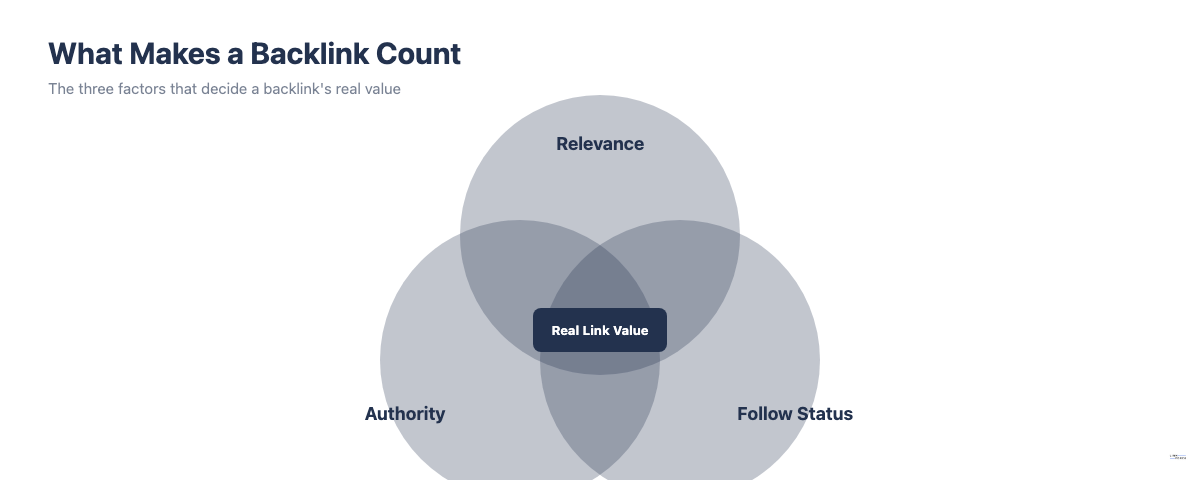
- Relevance: a link from a site in or near your niche carries more weight than one from an unrelated industry.
- Authority: links from established, well-trafficked sites transfer more credibility than links from brand-new or low-traffic pages.
- Follow status: a followed link passes ranking signal directly; a nofollow or sponsored link still sends referral traffic and brand exposure, which is why it’s still worth pursuing even though it won’t move rankings on its own.
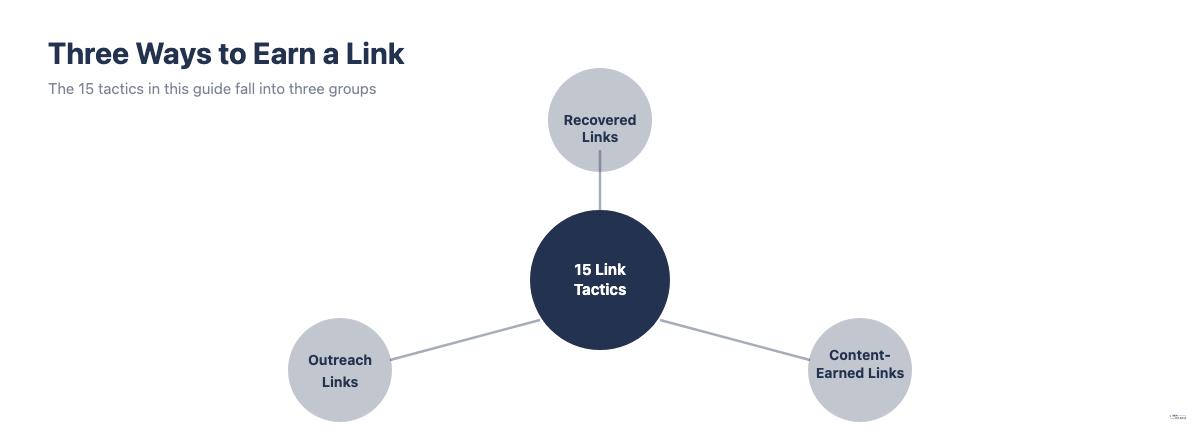
The tactics below are grouped into three clusters that mirror how most teams actually build links: tactics that need no new content because you’re recovering value you already earned, tactics built around direct outreach, and tactics built around creating something worth linking to in the first place.
1. Fix Broken Links on Relevant Sites (Broken Link Building)
Broken link building means finding a dead link on someone else’s page, a link that returns a 404, and pitching your own page as the replacement. It works because you’re doing the site owner a favor: nobody wants a resource page full of dead links, and you’re handing them a fix along with the ask.
Here’s how to run it in three steps:
- Find relevant resource or “useful links” pages in your niche and scan them for dead outbound links using a crawler or backlink tool.
- Confirm your own page is a genuine, equal-or-better replacement for whatever the dead page used to cover. Don’t pitch a mismatch just because a slot is open.
- Send a short, specific email that names the exact broken link and where it lives on the page, then offers your URL as the fix.
This tactic needs no new content if you already have a relevant page, which makes it one of the fastest ways to earn a first link on a new site.
2. Reclaim Unlinked Brand Mentions
An unlinked brand mention is exactly what it sounds like: a site already wrote your company or product name without linking to you. This is one of the easiest tactics on this list because the site owner has already decided you’re worth mentioning. All you’re asking for is a small edit, not a new piece of content or a favor from a stranger.
Set up ongoing brand mention monitoring so new mentions surface automatically, then filter out anything low-quality or off-brand before you reach out. When you do pitch, keep it short: point to the exact sentence that mentions you and ask politely for the mention to become a link. Response rates on this tactic tend to be higher than almost anything else on this list, because you’re not asking for something new, you’re asking to finish something the site already started.
3. Run a Competitor Backlink Gap Analysis
A backlink gap analysis looks at sites that link to your competitors but not to you, then works out why. If a site already linked to a competitor covering a similar topic, there’s a reasonable chance they’d link to you too, especially if your version of that content is more current or more useful.
Pull your top three or four competitors into a backlink analysis tool and look specifically for referring domains that link to more than one of them but not to you. Those sites have already shown a willingness to link to content exactly like yours, which makes them a warmer outreach list than a cold prospect pulled from a generic search. This tactic only pays off if your content genuinely matches or beats what the competitor already has linked, so check that before you pitch.
4. Publish Original Data or Research
Original data is the closest thing to a guaranteed link magnet on this list, because commentary can be copied but a unique data point can only be cited. A small first-party survey of your own customers, an analysis of your own usage data, or even a modest experiment you ran and wrote up honestly, all of these count. You don’t need a large-scale industry study to make this work; you need a number nobody else has published yet.
Once the piece exists, treat it as a standalone asset you can pitch on its own, separate from any other outreach. Journalists, bloggers, and fellow marketers all need a citable number more often than they need another opinion piece, and original data keeps earning links long after the initial publish date because it keeps getting cited in future articles on the same topic.
5. Pitch Journalists Through Media Request Platforms
Media request platforms connect journalists who need expert quotes with people willing to provide them, and a used quote typically comes with an editorial link from a high-authority news or trade site. HARO rebranded to Connectively, and alongside it Featured and Qwoted run the same basic model: a journalist posts a query, you pitch a relevant angle, and if they use it, you get the link.
Speed matters more than polish here, and having outreach email software ready to fire off a fast pitch helps. Most journalist deadlines are same-day, so the pitches that win are short, specific, and sent within an hour or two of the request going out, not the most eloquently written response sent the next morning. Keep a short bio and headshot ready so you’re not scrambling to assemble one when a good opportunity appears.
6. Write Guest Posts on Genuinely Relevant Sites
Guest posting still works in 2026, but only on sites that pass a real editorial bar, not on sites running a thin “write for us” page designed purely to sell links. Before you pitch a guest post, check for three things: a real, active audience, an actual editorial review process rather than automatic publishing, and a topic match close enough that your link makes sense in context rather than feeling bolted on.
Google’s own guidance treats sponsored or paid guest post links as something that should carry a rel=”sponsored” or rel=”nofollow” attribute, so keep that in mind if any part of the arrangement involves payment for placement. A genuinely earned guest post, written for a real audience because your expertise fits, is a different thing entirely and remains one of the more reliable tactics on this list when the vetting is done honestly.
7. Get Listed on Resource and “Best Of” Pages
Resource pages and curated “best tools” or “useful links” lists are still one of the more efficient link sources available, because the page owner has already built an audience around exactly the kind of link you’re offering. Search for pages using a pattern like your keyword plus “resources” or “useful links” to surface active curated lists in your niche.
Pitch these the same way you’d pitch a broken link: short, specific, and clear about why your page belongs on that particular list rather than a generic pitch you’re sending to fifty sites at once. A resource page curator gets pitched constantly, so specificity is what gets your email opened past the subject line.
8. Reclaim Lost Backlinks
A lost backlink is a link you already earned that disappeared, either because the linking page removed it during a redesign or because the whole page went down. These are worth chasing because the site already decided once that you were worth linking to, which makes them more receptive than a completely cold pitch.
Run a periodic check of your backlink profile against a historical snapshot to catch links that vanished. If the page still exists but the link was removed, a short note asking why and requesting it back is often enough. If the entire page disappeared, that’s really a broken link building opportunity on your own backlink profile, and the fix is the same: find where else that content might still be discoverable and pitch a replacement link there instead.
9. Contribute to Expert Roundups and Q&A Threads
Expert roundups collect short quotes from several people in an industry on one topic, and answering questions on platforms like Quora or industry-specific forums earns you visibility with the same audience. Both routes work the same way as media requests, just at a smaller scale and often with a longer shelf life since these posts tend to stay indexed and get referenced for years.
Watch for roundup requests in your niche and respond with a genuinely specific answer rather than a generic one you could paste into any roundup on any topic. Skip any site that looks like it exists purely to aggregate quotes with no real readership; those links carry little weight and the time is better spent on a roundup with an actual audience.
10. Offer Testimonials to Tools and Vendors You Use
This is one of the more overlooked tactics on this list. If you already pay for and use software or a service, most vendors have a testimonials or customer stories page, and many will link back to your site in exchange for a short, honest quote about your experience. It costs you a few minutes of writing time and the link is almost always contextually relevant, since you’re a genuine customer of a product in a real business relationship.
Reach out directly to the vendor’s marketing team rather than waiting to be asked. Keep the testimonial specific, mention an actual result or use case rather than generic praise, since specific testimonials are more likely to get featured prominently with a link intact rather than trimmed down to a single quote with no attribution.
11. Get Featured on Podcasts and Video Interviews
Podcast guesting earns links through show notes pages, which almost always link back to a guest’s site, and it comes with the added benefit of reaching a warm, engaged audience rather than a cold search result. The same applies to video interviews and YouTube collaborations in your industry.
Look for podcasts that already cover your topic area and pitch a specific angle rather than a generic “have me on to talk about my expertise” request. Hosts get pitched constantly, so naming the exact discussion you’d bring, ideally tied to something timely or a specific result you can talk through, makes you easier to book than a guest with no clear angle.
12. Build Links Through Partner and Integration Pages
If your product integrates with other tools, or you have a genuine reseller, affiliate, or referral relationship with another company, that relationship usually comes with a partner directory or integrations page you can be listed on. These links tend to be durable since they reflect an ongoing business relationship rather than a one-time piece of content, and they typically stay live as long as the partnership does.
Check whether your existing vendors and partners maintain a public partner or integrations page, and ask to be added if you’re not already listed. This only works where a real relationship already exists. Don’t fabricate a partnership just to get a listing; that’s a fast way to get delisted and damage the actual business relationship.
13. Submit to Vetted Niche Directories and Associations
General web directories and pay-to-list directories are a waste of time in 2026, and several long “complete list” articles still recommend them without saying so clearly. Niche directories and trade associations are a different story: a real industry association, chamber of commerce, or specialty directory that requires actual membership or relevance review still passes meaningful signal, because the listing reflects genuine industry standing rather than a payment.
Before submitting anywhere, run it through a short checklist: does the directory require real membership or vetting rather than just a fee, does it have any real traffic or reputation of its own, and would a person in your industry actually recognize the name. If a directory fails all three, skip it, since it likely adds no value and might sit next to genuinely low-quality neighbors.
14. Create a Free Tool or Calculator as a Linkable Asset
A free tool or calculator earns links the way original data does: it’s genuinely useful on its own, which gives other sites in your niche a reason to reference it without you asking. A simple calculator, checklist generator, or comparison tool tied to your industry can become one of the more durable link magnets on your site, since tools tend to keep earning links long after a typical blog post has stopped attracting new attention.
You don’t need a complex build to make this work. A narrowly scoped, genuinely useful tool that solves one specific problem for your audience will out-earn a broad, half-finished one every time. Once it’s live, treat it as its own outreach asset the same way you would an original data piece, and pitch it to sites that already write roundups of tools in your space.
15. Update and Repromote Your Best-Performing Content
Your best existing content is often your easiest source of new links. Refreshing an older, already-successful page with newer data, additional depth, or a more current example gives you a legitimate reason to re-pitch everyone who linked to a competing or dated resource on the same topic. This is the core idea behind the “skyscraper” approach: find content that already attracts links, then publish a version that’s simply more complete or more current, and reach out to the sites linking to the weaker version.
Repromotion also applies to your own past content. A well-performing piece from a year or two ago, updated with fresh information, is worth resharing to your existing audience and re-pitching to any site that covered the topic loosely without linking to a strong resource. This tactic closes the loop with the rest of this list: it turns the content you create for tactics four and fourteen into an ongoing source of new links rather than a one-time asset.
Quick-Reference Table: Effort vs. Impact for Each Tactic
Use this table to scan all fifteen tactics at once before deciding where to start.
| Tactic | Effort | Best For |
|---|---|---|
| 1. Fix broken links | Low | Sites with an existing relevant page and no new content budget |
| 2. Reclaim unlinked mentions | Low | Brands with existing press or social coverage |
| 3. Backlink gap analysis | Low-Medium | Sites with 2+ established competitors to benchmark against |
| 4. Original data or research | High | Teams with access to first-party usage or survey data |
| 5. Media request platforms | Medium | Anyone with genuine subject-matter expertise and fast turnaround |
| 6. Guest posts | Medium | Teams with writing capacity and a clear topical niche |
| 7. Resource page listings | Low | Sites with at least one genuinely useful reference page |
| 8. Reclaim lost backlinks | Low | Established sites with an existing backlink history |
| 9. Expert roundups and Q&A | Low-Medium | Individuals building personal or brand authority |
| 10. Vendor testimonials | Low | Any company that pays for software or services it can vouch for |
| 11. Podcast and video guesting | Medium | Founders and experts comfortable speaking on the record |
| 12. Partner and integration pages | Low | Companies with existing product or referral partnerships |
| 13. Niche directories and associations | Low | Businesses with genuine industry membership or credentials |
| 14. Free tool or calculator | High | Teams with developer resources for a scoped, single-purpose build |
| 15. Content refresh and repromotion | Medium | Sites with existing content that already attracts some links |
How to Prioritize These Tactics for Your Site
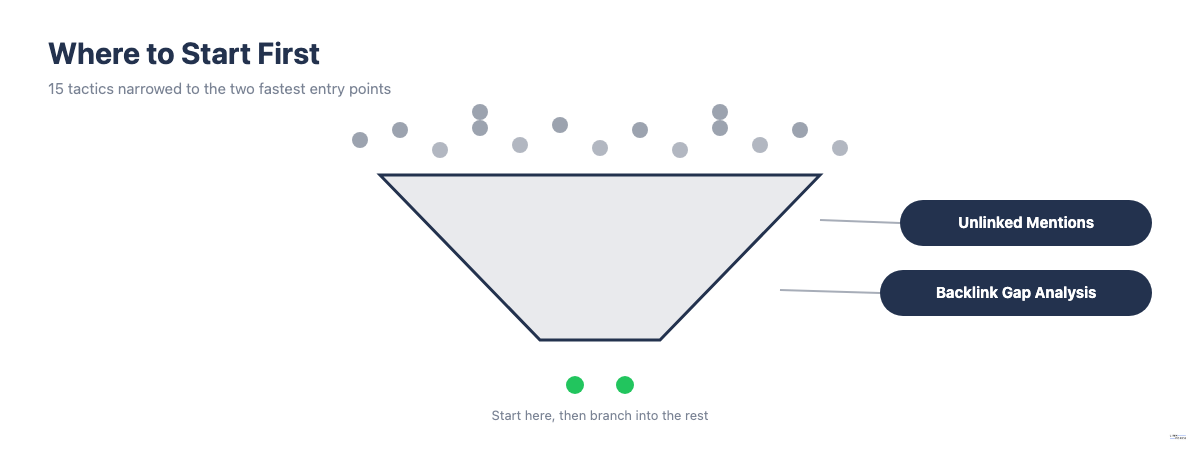
Start with unlinked brand mention reclamation and a competitor backlink gap analysis, because they’re the easiest and fastest entry points for most sites. Your brand is already known to the people you’d be contacting for reclaimed mentions, so the ask is small. A backlink gap analysis works well right after because it hands you a pre-qualified list of sites that have already shown they’ll link to content like yours.
From there, the right next step depends on what you already have. If you have an existing relevant page but no content budget, fix broken links first. If you have writing capacity and a clear niche, guest posting and resource page outreach are next. If you have real first-party data or the developer resources for a small tool, tactics four and fourteen take longer to set up but keep paying off well after the initial launch. Whatever you start with, prioritize one high-quality, relevant link over a dozen low-relevance ones. A single link from a trusted site in your niche does more for both rankings and AI-search visibility than a batch of links from unrelated pages ever will.
Frequently Asked Questions
Are guest posts still good for link building in 2026?
Yes, guest posts still work in 2026, but only on genuinely relevant sites with a real audience and an actual editorial review process. Thin “write for us” pages built purely to sell placements carry little to no value and can be a wasted pitch, while a well-placed post on an editorially run site in your niche remains one of the more reliable tactics on this list.
Is link building still worth it?
Yes. Backlinks remain one of the strongest ranking signals for traditional search, and AI answer engines use the same signal in a related way, judging authority in part by which sites credible sources reference. A handful of relevant, high-quality links still moves the needle more than a large volume of low-relevance ones.
How long does it take to see results from link building?
Most tactics on this list take a few weeks to produce a first result once outreach starts, since you’re waiting on another site owner to respond and publish. The ranking impact of new links typically compounds over months rather than days, which is why tactics like original data and content refreshes, which keep earning links long after publication, tend to outperform one-off outreach pushes over a full year.
Is link building DIY-friendly or do you need an agency?
Several tactics on this list, including reclaiming unlinked mentions, fixing broken links, and requesting vendor testimonials, are straightforward enough to run in-house with no special tooling beyond a backlink or crawl tool. Tactics that require sustained outreach volume, like guest posting and media request pitching at scale, or that need dedicated build resources, like a free tool, are where many teams choose to bring in a link building company or a link building service once the workload outgrows what one person can manage alongside everything else.