
What Is Off-Page SEO?
Off-page SEO refers to actions taken outside your website that improve its authority and trustworthiness in the eyes of search engines. It covers everything from earning backlinks and tracking brand mentions to managing reviews, building local citations, and strengthening the expertise signals that tell Google your content comes from a credible source.
Off-page SEO tactics are how you build your brand reputation and online presence across the web. Search engines treat external signals as independent votes of confidence: the more authoritative sources reference or link to your site, the more credible your pages appear compared to competitors. These signals are particularly decisive for competitive keywords where on-page quality is roughly equal across ranking pages.
The three main pillars of SEO are:
- On-page SEO: Content quality, keyword targeting, headings, internal linking, and page structure
- Technical SEO: Crawlability, indexing, site speed, Core Web Vitals, and structured data
- Off-page SEO: Backlinks, brand mentions, reviews, social signals, local citations, and author authority signals
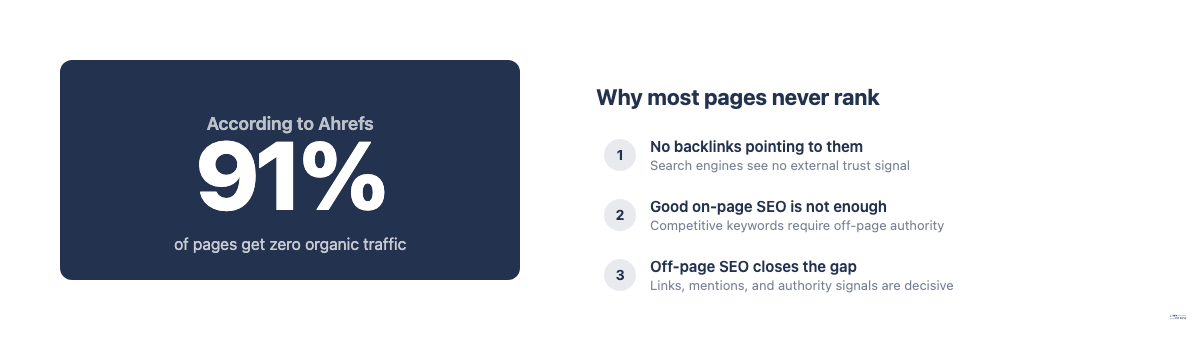
Off-page factors account for a significant share of ranking variation for competitive keywords. According to Ahrefs, 91% of pages get no organic traffic from Google, and the primary reason for pages with decent on-page SEO failing to rank is an insufficient backlink profile. A Moz study found that link-related signals are among the most influential ranking factors Google uses.
Off-page SEO also affects visibility in AI search. ChatGPT, Perplexity, and Google’s AI Overviews surface brands and pages that are frequently referenced by authoritative sources. Building a strong off-page presence is an investment in both traditional and AI-driven search visibility. The goal is to boost visibility across every channel where your audience searches.
Off-Page SEO Checklist
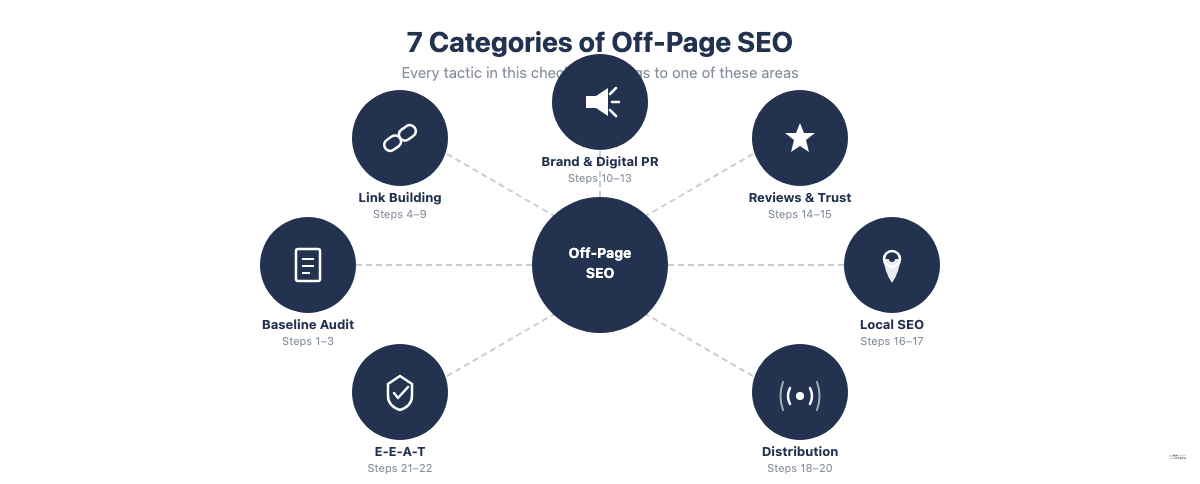
Use this checklist to audit your current position, identify gaps, and prioritize the tactics with the highest impact. The 22 steps are grouped into seven categories. Work through the audit steps first before starting any new link building or outreach.
Step 1: Run a Full Backlink Audit
A backlink audit reviews every link pointing to your site to assess quality, relevance, and anchor text distribution. This is the starting point for any off-page SEO strategy because it tells you what you already have, what needs fixing, and where the biggest gaps are.
To run a backlink audit:
- Export your full backlink profile from Ahrefs Site Explorer, Semrush Backlink Analytics, or Google Search Console’s Links report
- Note your total referring domain count (unique linking domains, not total backlinks)
- Check your Domain Rating (Ahrefs) or Domain Authority (Moz) as a benchmark
- Review anchor text distribution for over-optimization with exact-match keywords
- Flag links from spammy, irrelevant, or low-traffic domains for review
Compare your referring domain count against the top three pages ranking for your target keywords. A significant gap in referring domains is the clearest indicator that link acquisition should be your primary off-page priority.

Step 2: Identify and Disavow Toxic Links
Toxic backlinks come from link farms, private blog networks, hacked sites, or bulk directory submissions. Use Ahrefs’ Spam Score, Semrush’s Toxicity Score, or Majestic’s Trust Flow to identify suspicious links.
Before disavowing, verify that a link is genuinely harmful and not just from a low-authority site. A small site with no traffic is not the same as a link network. Only submit a disavow file if you have a documented manual action or a clear unnatural link pattern involving hundreds of spammy links. Disavowing good links by mistake can hurt rankings.
Step 3: Benchmark Your Referring Domains Against Competitors
Pull the referring domain count for the top five pages ranking for your primary keywords and compare them to your own. Referring domains (unique linking sites) are a more meaningful benchmark than total backlink count because sitewide links inflate totals.
Calculate your link gap: if the pages ranking in positions one to three average 350 referring domains and you have 80, that 270-domain gap is your medium-term target. Knowing the gap helps you set realistic timelines and decide how much of your off-page budget should go to link building vs other tactics.
Link Building Checklist
Link building is the highest-leverage off-page SEO activity for most sites. A single high-quality backlink from a relevant authoritative site can move rankings more than dozens of low-quality links. Build these habits into a consistent monthly workflow.

Step 4: Analyze Competitor Backlink Profiles to Find Link Opportunities
Competitor backlink analysis reveals sources that already link to content on your topic, making them pre-qualified outreach targets. Run a Link Intersect analysis in Ahrefs: enter three to five competitor domains and find sites that link to them but not to you.
For each opportunity, note:
- The type of content that earned the link (guide, data study, tool, list)
- The anchor text context
- Whether the placement is editorial or paid/sponsored
- The DR and organic traffic of the linking domain
Prioritize sites where two or more competitors have links. A site that links to three competitors in your niche is far more likely to link to you than a cold prospect with no history of linking to similar content. For a full prospect qualification workflow, see our guide on link prospecting.
Step 5: Build High-Quality Backlinks from Authoritative Sites
High-quality backlinks come from real editorial sites with genuine audiences and organic traffic. A single link from a DR 50 site that writes about your exact topic delivers more ranking impact than 50 links from low-traffic directories.
Main tactics for building high-quality backlinks:
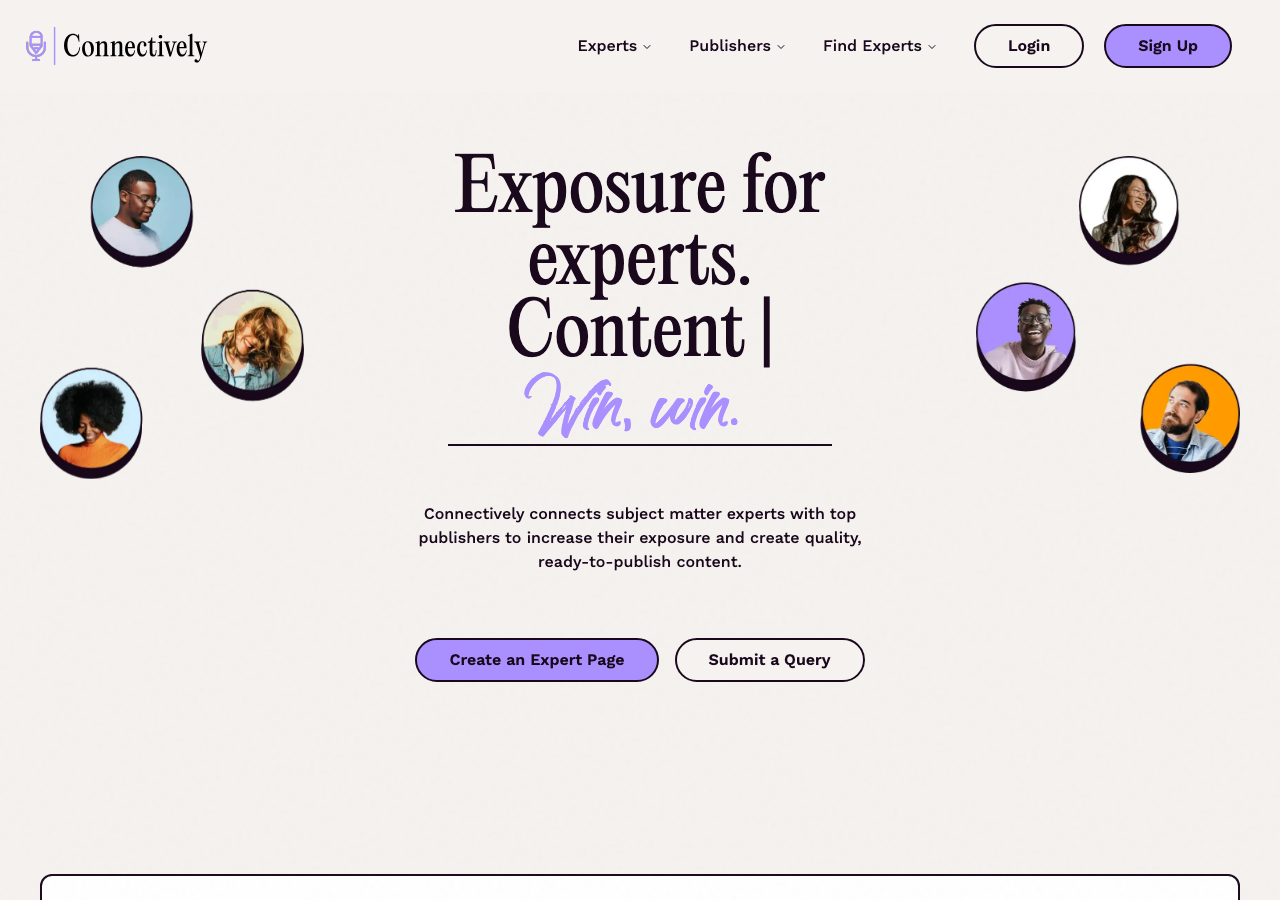
- HARO and media request platforms: Respond to journalist queries with expert commentary. A quoted source typically earns a link from a high-DR publication.
- Resource page link building: Get listed on curated resource pages in your niche by identifying pages that already link to similar content and pitching your resource as a valuable addition.
- Data and research citations: Publish original survey data or benchmark reports that other writers cite when covering your topic.
- Link roundups: Contribute to weekly or monthly link roundup posts that curate the best content on a given topic.
- Partner content: Co-create content with complementary brands where both parties link to the shared piece.
Relevance outweighs raw authority. A DR 40 link from a site that covers your exact topic is worth more to your rankings than a DR 75 link from an unrelated publication. For a deeper look at acquiring editorial placements, see our guide to editorial links and white hat SEO link building.

Step 6: Run Guest Posting Campaigns
Guest blogging is one of the most reliable methods for earning editorial backlinks at scale. Identify real editorial sites that accept contributor articles, write content that genuinely serves their audience, and earn one or two natural contextual links back to your most relevant pages.
A working guest posting process:
- Build a prospect list using Ahrefs content explorer, Google search operators (“write for us” + keyword), and LinkedIn
- Filter prospects by DR 30 or higher, real organic traffic, and topical relevance to your domain
- Pitch angles that extend or complement their existing coverage rather than duplicating it
- Write for the site’s audience, not for your brand
- Place links contextually inside the article body, not in author bios only
Avoid: link networks that sell guest posts at scale, sites where every article has four or five outbound links in the same pattern, and sites with no genuine editorial standards. These patterns are detectable by Google and links from them carry no lasting value. Our guest blogging guide covers qualification criteria, pitch templates, and how to scale outreach efficiently.
Step 7: Create Linkable Assets
Linkable assets earn backlinks passively because they give other writers something worth citing. Instead of chasing every link through outreach, linkable assets attract links when other sites cover your topic.
The most effective linkable asset formats:
- Original research and survey data: An industry benchmark study becomes a citation source for dozens of articles covering the same topic
- Free tools and calculators: Practical utilities that users bookmark and embed
- Data-backed infographics: Visual summaries of research or processes that other sites embed with attribution
- Comprehensive guides: The most thorough reference for a topic in your niche
- Statistics roundup pages: Aggregated data that writers search for when they need numbers to cite
Validate a format before investing. Use Ahrefs’ Best by Links report for competitor domains to see which content types attract the most backlinks in your space, then build something better. Our guide on linkable assets covers asset types, production approaches, and promotion strategies in detail.
Step 8: Target Broken Link Building Opportunities
Broken link building works by finding dead pages on high-authority sites and offering your page as a replacement. The pitch works because it gives webmasters a reason to update their link (fixing a broken user experience) and a ready solution (your equivalent page).
Process:
- Find broken pages in your niche using Ahrefs’ Broken Backlinks report for competitor domains
- Verify the dead page covered a topic you have an equivalent live page for
- Use Ahrefs to find all sites linking to the dead URL
- Reach out explaining the broken link and suggesting your page as a replacement
Broken link building typically achieves higher response rates than cold outreach because the value proposition (fixing a broken link) is immediately clear to the recipient. For a step-by-step process, see our broken link building guide.
Step 9: Reclaim Lost Backlinks and Unlinked Brand Mentions
Two high-conversion quick wins that most off-page SEO workflows skip:
Lost backlinks: Use Ahrefs’ Lost Backlinks report to identify links that existed in the past but disappeared. Common causes are page updates that removed your link, URL migrations that broke the connection, or deleted articles. A well-written reclaim email to a webmaster you once had a link from has a high success rate.
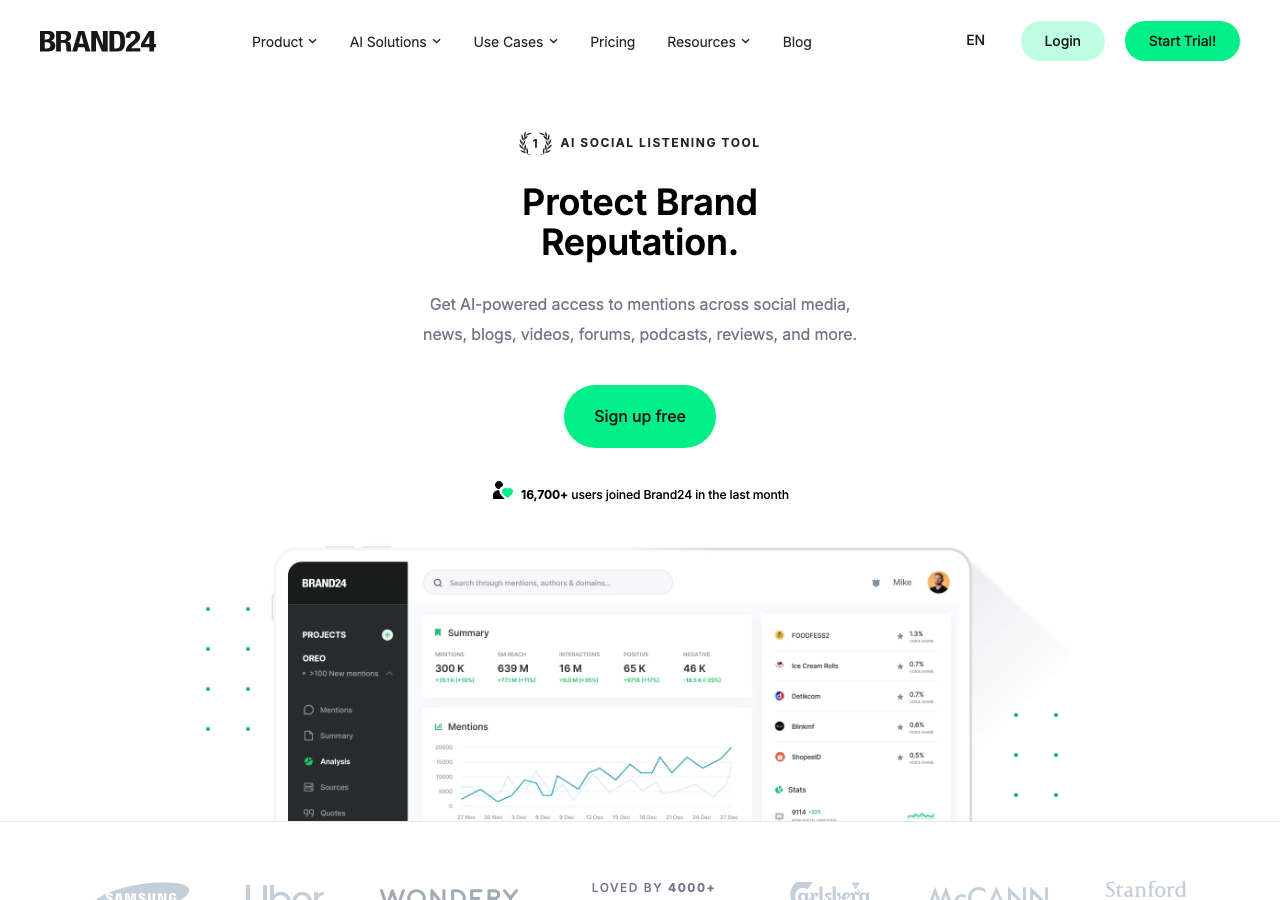
Unlinked brand mentions: Find mentions of your brand, product, or founder name that appear online without a link. Tools like Google Alerts, Ahrefs Alerts, and Brand24 surface these automatically. Contact the author and ask them to add a link. Conversion rates are high because the writer has already shown they know your brand.
Together these two tactics can recover significant link equity in weeks, often faster than building entirely new links.
Brand Building and Digital PR Checklist
Step 10: Set Up Brand Mention Monitoring
Brand mention monitoring ensures you never miss an opportunity to convert a mention into a link, respond to coverage, or identify trends in how your brand is being discussed.
Set up alerts for:
- Your brand name and product names
- Key executives and founders
- Your main topic keywords (to spot conversations where you should be referenced)
- Competitor mentions (to identify media relationships you could target)
Tools: Google Alerts (free, good coverage), Ahrefs Alerts (picks up web mentions across Ahrefs’ index), Brand24 or Mention (real-time monitoring with sentiment scoring). Review alerts at least weekly.

Step 11: Run Digital PR Campaigns for High-Authority Links
Digital PR earns editorial coverage from news sites, industry publications, and media outlets. A successful campaign can generate 20 to 50 high-DR backlinks in a few weeks, well beyond what a standard outreach workflow produces in the same time.
Effective digital PR story angles:
- Original survey data: A well-designed survey on a topic your industry cares about gives journalists a story to write with a citable data source
- Contrarian analysis: Challenge widely repeated statistics or conventional wisdom with evidence
- Newsjacking: Respond to breaking industry news with expert commentary within 24 to 48 hours of a story breaking
- Awards and lists: Applications for industry awards generate trade press coverage when shortlisted or won
- Company milestones: New integrations, major client wins, or funding rounds earn relevant trade media coverage
The key difference from guest posting is the target: digital PR reaches journalists and editors at publications, not blog managers. The pitch needs a news angle that serves their readers, not just a useful article about your niche. Our digital PR guide covers campaign formats, media list building, and how to measure the impact of earned coverage.
Step 12: Encourage Branded Searches
Branded search volume is a trust signal. When many users specifically search for your brand name, Google interprets that pattern as evidence of genuine authority and demand. Branded searches also influence AI search visibility: models that have seen your brand name frequently co-occurring with your target topics in their training data are more likely to surface your brand in AI-generated answers.
Tactics to increase branded searches:
- Run paid brand awareness campaigns that introduce your name to new audiences
- Get your brand mentioned in high-circulation newsletters, podcasts, and media
- Create genuinely shareable content that spreads on LinkedIn and other platforms used by your audience
- Be consistently active in the communities where your target audience spends time
Step 13: Partner with Niche Influencers and Industry Creators
Influencer partnerships for B2B and SaaS brands work differently than consumer campaigns. Prioritize collaborators with engaged niche audiences rather than large general followings. The best partners are:
- Newsletter authors with dedicated audiences in your niche
- Podcast hosts who interview practitioners in your space
- Analysts and researchers with their own blogs or LinkedIn audiences
- Content creators who publish on their own websites (where links can be editorial)
Structure partnerships around content creation: co-author a study, appear on their podcast, or contribute a section to their resource guide. Content-based partnerships generate durable backlinks. Social-only partnerships generate temporary visibility that fades quickly.
Reviews and Social Proof Checklist
Step 14: Manage Your Online Review Profile
Review profiles on third-party platforms rank in search results for branded queries and contribute to your overall authority signal. Managing them is an off-page SEO task, not just a customer service function.
Identify and claim your listings on the platforms most relevant to your category:
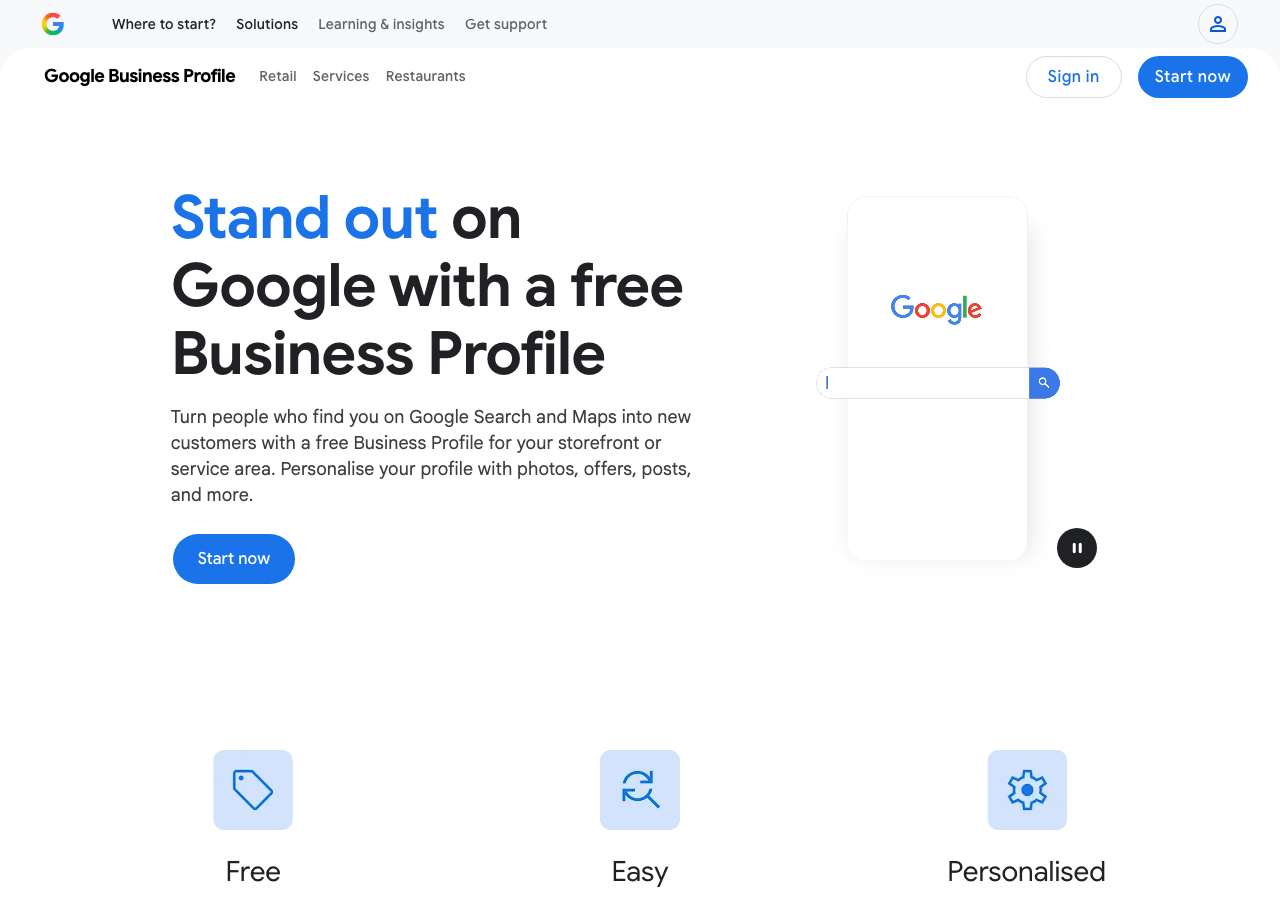
- Google Business Profile: Essential for all businesses, critical for local businesses
- G2, Capterra, TrustRadius: Standard for SaaS and B2B software
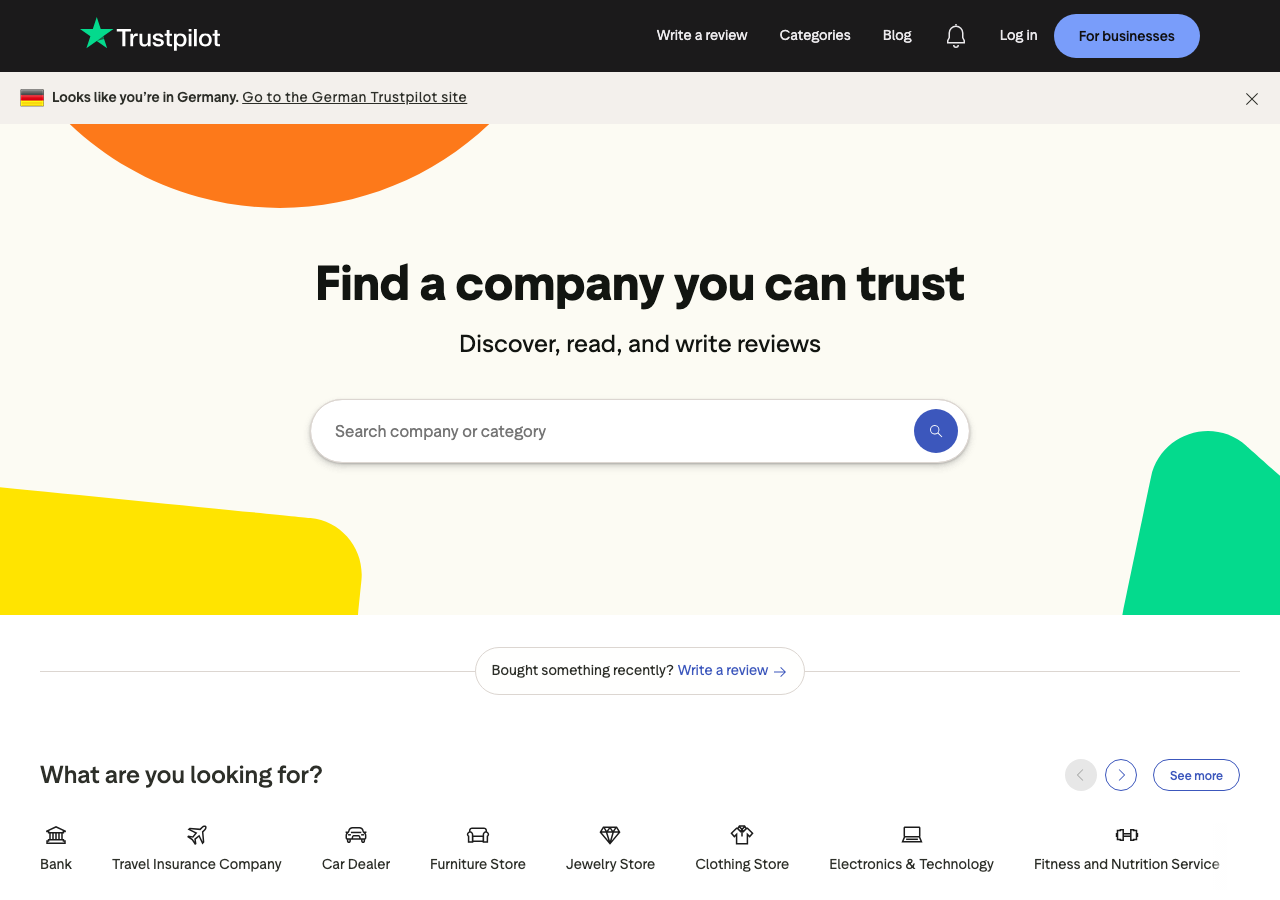
- Trustpilot: Common for ecommerce and service businesses
- Clutch: Agencies and professional services
- Industry-specific directories for your vertical
For each platform: complete all profile fields, respond professionally to every review, and create a systematic process for requesting reviews from satisfied customers at natural touchpoints in your customer journey. Review volume and recency both affect how prominently your listing appears in search.
Step 15: Use Testimonials and Case Studies as Link and Trust Assets
Detailed case studies with specific, verifiable results earn backlinks when customers reference them in their own content and when journalists cite your results as supporting evidence for broader industry claims.
Best practices:
- Publish case studies with concrete numbers (specific traffic increases, time saved, ROI achieved)
- Get testimonials from recognizable names or companies in your industry
- Build a dedicated results or case studies page that aggregates your strongest examples
- Pitch compelling result stories to industry publications as supporting data for feature articles
A case study that shows “43% increase in organic traffic in 4 months” earns more links than one that says “significant improvement.”
Local SEO Checklist
These steps apply specifically to businesses that serve a geographic area or have physical locations.
Step 16: Optimize Your Google Business Profile
Google Business Profile (GBP) is the primary signal for local pack and map pack rankings. An optimized profile directly affects whether you appear in the local three-pack for searches with geographic intent.
GBP optimization checklist:
- Verify ownership of the listing
- Complete all fields: business name, address, phone, website, hours, categories, service areas, attributes
- Upload high-quality photos (exterior, interior, team, products)
- Write a complete business description that includes primary and secondary keywords naturally
- Enable Google Messages if your team can respond within a few hours
- Publish regular posts (offers, events, updates) at least twice per month
- Respond to all reviews, including negative ones
- Keep Q&A section accurate and up to date
Step 17: Build and Audit Your Local Citation Profile
Local citations are mentions of your business name, address, and phone number (NAP) across directories, review platforms, and local websites. Consistent NAP data across all citations tells search engines your business information is reliable and trustworthy.
Citation audit and build process:
- List every platform and directory where your business currently appears
- Audit for inconsistencies: even small format differences (Avenue vs. Ave., +1 vs. no country code) are inconsistency signals
- Use BrightLocal, Moz Local, or Whitespark to identify gaps and manage citations at scale
- Prioritize high-traffic, high-authority directories first: Google, Apple Maps, Bing Places, Yelp, Facebook, and vertical-specific directories
- Remove or merge duplicate listings
Quality and consistency matter more than volume. 50 consistent citations on authoritative platforms outperform 200 inconsistent listings on obscure directories.


Content Distribution and Community Checklist
Step 18: Build a Content Distribution Plan
Publishing content without distributing it means relying entirely on search engines to send traffic. Active distribution gets content in front of people who are likely to link to it, mention it, or share it.
A repeatable distribution workflow for each piece of published content:
- Email your subscriber list with a brief context note on why the piece is worth reading
- Share on LinkedIn and other social platforms relevant to your audience, with a short text frame rather than just a link
- Post in relevant Slack groups, Discord servers, or forums where it genuinely adds value to an ongoing conversation
- Notify anyone mentioned in the article (a quoted expert, a cited study, a referenced tool) so they can share it with their audience
- Pitch to curators: industry newsletters and weekly roundup posts actively want good content when it is pitched directly
- Repurpose: turn the article into a LinkedIn post, a Twitter/X thread, or slides for extended reach
Step 19: Participate in Online Communities
Active community participation builds brand awareness, generates qualified traffic, and creates linking opportunities when community members later write about your topic.
High-value community channels for most B2B and SaaS brands:
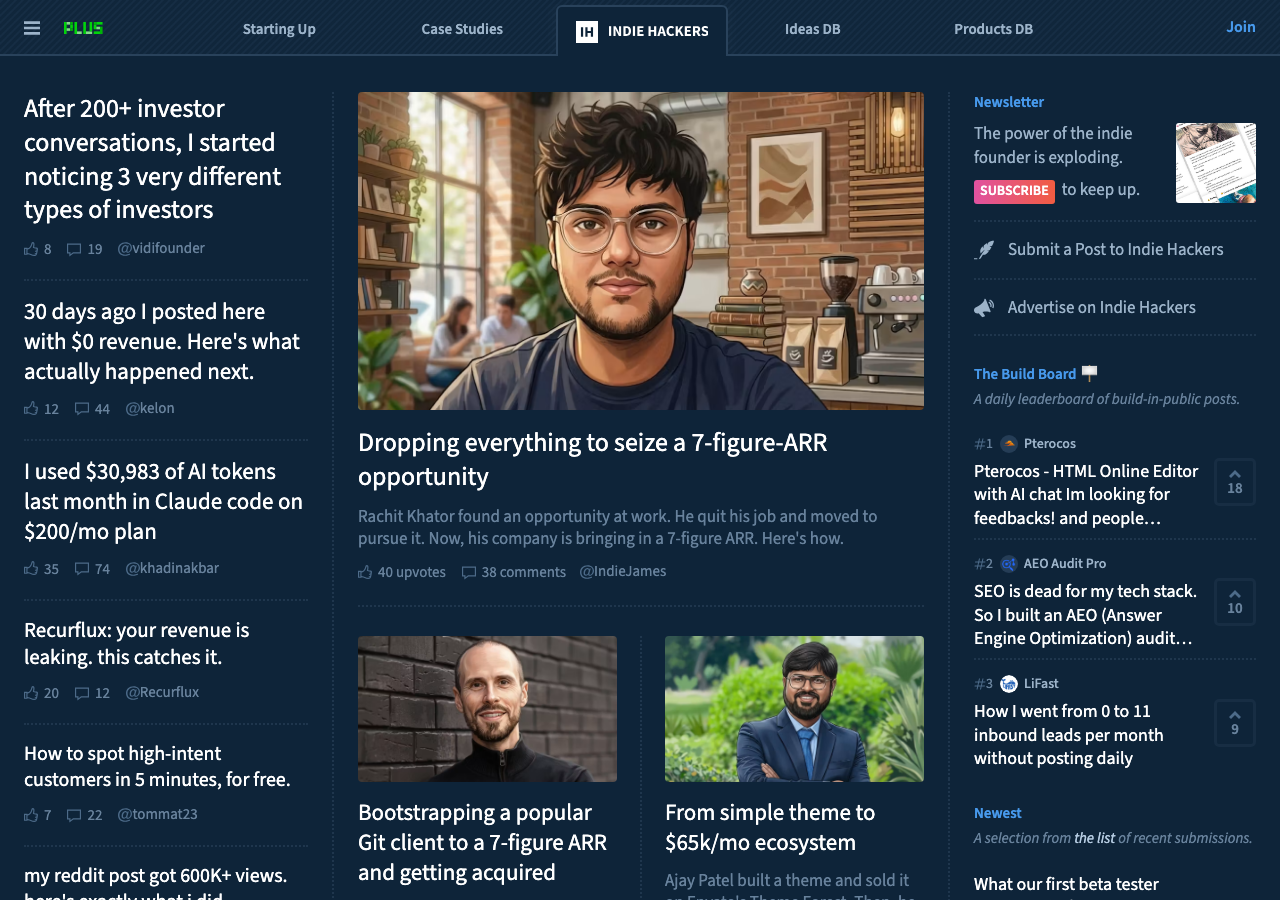
- Reddit: Subreddits covering your niche have engaged specialist audiences. Reddit content increasingly appears in both traditional Google search results and in AI search citations. Contribute genuinely before promoting.
- LinkedIn: The primary professional community channel for B2B. Personal posts from founders and practitioners consistently outperform company page posts.
- Quora: Well-researched answers rank in search results and drive long-tail referral traffic over time
- Industry Slack and Discord communities: High-signal conversations with practitioners and decision-makers
- Niche forums and community platforms: Highly engaged specialist audiences with lower noise than general platforms
The contribution threshold: add value to every discussion before linking. Communities that flag promotional behavior will ban repeated self-promotion, removing a long-term source of qualified awareness.
Step 20: Repurpose Content into Linkable Formats
Content repurposing extends the reach of your best ideas by presenting them in formats that different audiences prefer and that other sites are more likely to cite or embed.
High-return repurposing formats:
- Data visualizations and charts: Turn research findings into shareable charts. Other writers embed them with a link to the source.
- Slide decks: Upload to LinkedIn SlideShare for additional indexable content and a different audience segment
- Video: YouTube explainers built around your article content rank independently and link back to your site
- Twitter/X threads: Distill a framework or checklist into a thread that can reach a large audience quickly
- Podcast guest appearances: Episode show notes typically include a link to your website
E-E-A-T and Author Authority Checklist
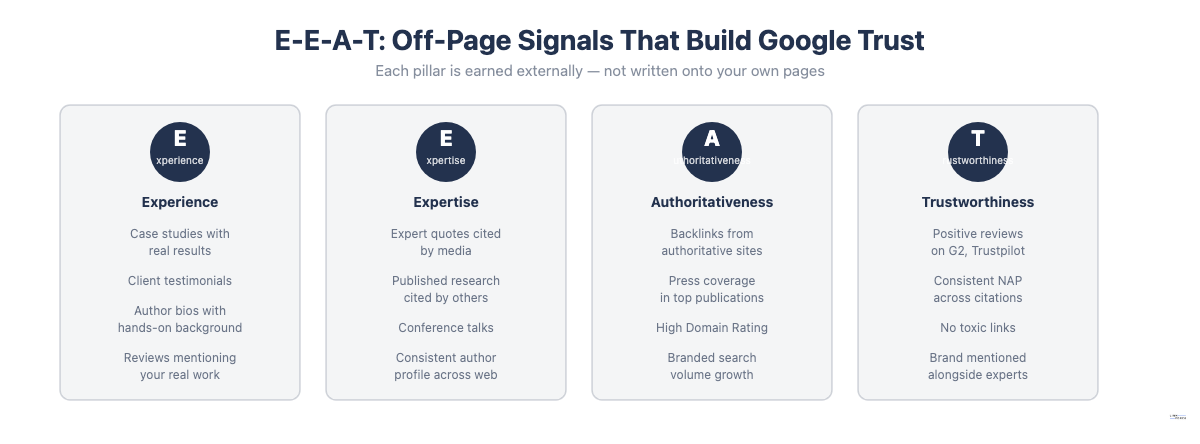
Google’s E-E-A-T framework (Experience, Expertise, Authoritativeness, Trustworthiness) is evaluated substantially through off-page signals. This category is underdeveloped by most teams but is growing in importance as Google refines its ability to distinguish genuine expertise from generic content.
Step 21: Build Strong Author Profiles Across the Web
Every article you publish should be attributed to a real person with verifiable expertise. Author signals tell Google that content comes from someone with real-world knowledge of the topic, not a content factory.
Author profile checklist:
- Add a professional photo and bio to every article byline on your site
- Link from the author bio to their LinkedIn and Twitter/X profiles
- Create a dedicated author page that aggregates all their published work
- List their credentials, professional experience, and relevant expertise
- Maintain a consistent author name, bio, and photo across all platforms where they publish
- Build the author’s presence on third-party platforms: LinkedIn publishing, industry forums, Quora
When an author is quoted by other publications, cited as an expert, or credited on high-authority sites, those external recognition signals reinforce their authority in Google’s entity graph.
Step 22: Earn Mentions on Authoritative Publications in Your Niche
Being mentioned, quoted, or featured on well-known publications is one of the strongest E-E-A-T and off-page authority signals available. It shows Google that external sources it already trusts recognize your brand and its experts.
How to earn authoritative mentions:
- Use HARO, Qwoted, or SourceBottle to respond to journalist queries in your space
- Apply for speaking opportunities at major industry conferences (conference websites and recap articles generate links)
- Contribute original data and research to industry benchmark reports
- Get listed on curated expert or resource pages maintained by professional associations or large editorial sites
- Build relationships with editors at trade publications in your niche for ongoing contribution opportunities
Track your share of mentions in authoritative sources as a metric alongside your backlink count. Brands that are regularly cited by trusted publications build a compound authority advantage that is extremely difficult for competitors to replicate through link building alone.
How to Track Your Off-Page SEO Progress
Key Metrics to Monitor
Domain Rating (Ahrefs) or Domain Authority (Moz): A composite score of your backlink profile’s strength. Track month-over-month growth as a directional indicator. Do not use it as a ranking predictor for individual pages.
Referring Domain Count: The number of unique domains linking to your site. Track separately from total backlink count. A profile with 500 links from 20 domains is far weaker than one with 500 links from 450 domains.
New vs. Lost Referring Domains: Monitor both together. A site gaining 15 new referring domains per month but losing 12 is growing much more slowly than the gross number suggests.
Organic Traffic (Non-Branded): Filter brand keywords out of Google Search Console and monitor organic traffic trend from non-branded queries. This is the most direct measure of whether off-page efforts are producing ranking improvements.
Branded Search Volume: Use Google Trends or a keyword research tool to track monthly search volume for your brand name. Branded search growth is a leading indicator of improving authority.
Referral Traffic: High referral traffic from a specific link confirms it is editorially placed where real users see it. Low referral traffic from a site with high DR may indicate a low-visibility link placement.
AI Search Visibility: Monitor how often your brand appears in AI-generated answers using Ahrefs’ AI Ranking features or Semrush’s AI Overview tracking. Track this for your core target queries.
Recommended Tool Stack
- Ahrefs Site Explorer: Backlink monitoring, competitor gap analysis, lost links tracking, best-by-links content research
- Google Search Console: Organic performance data, branded and non-branded query split, index coverage
- Moz Link Explorer: Secondary backlink data and Domain Authority benchmarking
- Google Alerts or Ahrefs Alerts: Automated brand mention notifications
- BrightLocal or Moz Local: Local citation management and audit
- Brand24 or Mention: Real-time brand monitoring with sentiment analysis
For a structured approach to reporting on these metrics to stakeholders, our link building reporting guide covers measurement frameworks, visualization formats, and how to communicate off-page SEO progress clearly.
Common Off-Page SEO Mistakes to Avoid
Buying links from brokers or private blog networks. Google’s SpamBrain system and manual review teams are effective at identifying patterns consistent with purchased links. Beyond the risk of a manual action, paid links from link networks deliver diminishing value as Google’s ability to detect and discount them improves.
Prioritizing Domain Rating over relevance. A DR 70 link from a lifestyle blog passes minimal ranking benefit to a SaaS tool targeting IT buyers. A DR 35 link from an IT security publication can move rankings meaningfully. Relevance is the most consistently underweighted factor in link building plans.
Treating all links as equal. Sitewide footer links, profile links, comment links, and links from pages with no organic traffic pass minimal link equity. Focus on in-content editorial links from pages that receive real organic traffic.
Skipping the audit before building. Starting a link building campaign without a baseline audit means you might spend months targeting the wrong gap. Audit first to find out whether you need more links, better-quality links, or links to different pages.
Missing the unlinked mention opportunity. If other sites are already mentioning your brand without linking, converting those mentions is faster and cheaper than building entirely new link relationships. Most teams ignore this entirely.
Building links and ignoring everything else. A site that builds 30 links per month but has no reviews, no author profiles, no community presence, and no coverage in authoritative publications will be outranked by a brand that builds 15 links and invests equally in brand authority signals.
Frequently Asked Questions
What is included in an off-page SEO checklist?
An off-page SEO checklist covers the tactics and monitoring tasks that build your site’s authority and trust signals outside your website. It includes: backlink audit and disavow, link building (guest posts, digital PR, broken link building, linkable assets), brand mention monitoring, digital PR, review management, local citation building, content distribution, community participation, and E-E-A-T signals like author profiles and authoritative publication mentions.
How is off-page SEO different from on-page SEO?
On-page SEO covers elements you control directly on your website: content, headings, keyword use, meta tags, internal links, page speed, and schema markup. Off-page SEO covers external signals that other websites, platforms, and users generate about you: backlinks, brand mentions, reviews, citations, and author recognition. Both are required for competitive rankings. On-page SEO makes your content relevant and indexable. Off-page SEO signals that your content deserves to rank above competing pages covering the same topic.
How long does off-page SEO take to show results?
Most sites see measurable ranking improvements from link building within three to six months. For highly competitive keywords, the timeline extends to 12 months or longer. Individual tactics vary: reclaiming lost links or converting unlinked mentions can show impact within four to eight weeks. Building authority from a low base for a new site typically takes 12 to 18 months of consistent work before rankings become stable.
What are the most important off-page SEO factors?
Backlinks from relevant, authoritative websites remain the highest-weight off-page ranking factor. The quality, topical relevance, and diversity of your referring domain profile matters more than raw link count. Growing in importance: branded search volume as a demand signal, E-E-A-T signals like author recognition and media mentions, review quality and volume for local and branded queries, and brand mention frequency across authoritative sources.
Is social media an off-page SEO factor?
Social media links are almost universally nofollow and do not pass PageRank directly. However, social media contributes indirectly: content that spreads on LinkedIn or Twitter/X reaches journalists and bloggers who create editorial links; social profiles appear in branded search results and contribute to your overall presence; and engagement volume is a signal of genuine audience interest. Treat social media as a distribution and brand-building channel, not a direct ranking signal.
How many backlinks do I need to rank on Google?
The number of backlinks needed depends on what the top-ranking pages for your target keyword already have. There is no universal number. Run a competitor backlink analysis, note the referring domain count of the pages in positions one to three, and use that as your target benchmark. For mid-competition keywords, closing within 80 percent of the leading competitor’s referring domain count while maintaining relevance is usually sufficient to compete. For high-competition queries, DR, topical authority, and content quality can be equally important as raw referring domain numbers.