

Most of the work that determines your search rankings happens on websites you do not own. That is the core idea behind off-page SEO. It is also why two sites with nearly identical content can sit ten positions apart in Google’s results.
Off-page SEO refers to every action you take outside your own website to influence how search engines and users perceive your authority, trustworthiness and relevance. Backlinks are the most visible part of that equation. But brand mentions, reviews, podcast appearances and even your YouTube presence all feed into the same system.
This guide covers every major off-page SEO factor, the strategies that move rankings in 2026, and a prioritisation framework that tells you exactly where to focus based on your site’s current authority level.
What Is Off-Page SEO?
Off-page SEO is the practice of building authority signals outside your website to improve your position in search engine results pages. While on-page SEO focuses on the content, structure, and technical health of your own site, off-page SEO is about what the rest of the internet says about you.
Search engines use off-page signals as a proxy for credibility. A page can be perfectly written and technically flawless, but if no external source links to it or mentions it, Google has little reason to rank it above a page that has earned genuine third-party recognition.
The distinction matters because you have complete control over on-page signals. Off-page signals, by contrast, are earned. You can create the conditions for them, but you cannot manufacture them at will. That difficulty is precisely what makes them valuable to Google as quality indicators.
On-Page SEO vs. Off-Page SEO
| Factor | On-Page SEO | Off-Page SEO |
|---|---|---|
| Location | Your website | External websites and platforms |
| What you control | Fully | Partially (you earn, not dictate) |
| Examples | Title tags, headings, content, internal links, page speed | Backlinks, brand mentions, reviews, social signals, press coverage |
| Primary goal | Relevance signals | Authority and trust signals |
| Timeline | Immediate changes | Weeks to months for impact |
Both are essential. A site with strong content but no backlinks struggles to rank for competitive terms. A site with many backlinks but thin content will not hold its position after a quality update. The combination of strong on-page relevance signals and strong off-page authority signals is what produces durable, defensible rankings.
Why Off-Page SEO Matters More Than Ever in 2026
E-E-A-T and the Role of External Signals
Google’s E-E-A-T framework covers Experience, Expertise, Authoritativeness and Trustworthiness. It is the lens through which the quality rater guidelines evaluate content. The critical insight is that most E-E-A-T evidence is external. You cannot declare yourself an expert. External sources have to confirm it.
Experience shows up in firsthand accounts and case studies that others cite. Expertise is validated by third-party publications that choose to feature your byline. Authoritativeness is built through links and mentions from recognised sites in your niche. Trustworthiness is reinforced by positive reviews, accurate NAP data and transparent ownership.
Off-page SEO, done well, is an E-E-A-T-building program.
How AI Search Tools Decide What to Cite
AI-powered search tools, including ChatGPT, Google’s AI Overviews, Perplexity, and Gemini, do not rank pages the same way traditional search does. But they share a critical dependency with Google: they prefer sources that have established citation authority.
Research into AI citation patterns shows a clear preference for recognised publication brands such as Forbes, NerdWallet, Wikipedia, academic institutions, and major trade publications, rather than individual pages that happen to rank on page one for a given query. This means that appearing in those cited sources, as a quoted expert, a cited data point, or a featured case study, contributes to AI citation visibility even before your own domain achieves high enough authority to be cited directly.
Off-page SEO is the mechanism that builds that citation authority. The same signals that move traditional rankings now determine whether your content gets surfaced in AI-generated answers.
The Traffic Gap Created by Missing Backlinks
Ahrefs research found that 91% of web pages receive zero organic traffic from Google. The single strongest predictor of that outcome is no external backlinks. Even a handful of high-quality referring domains moves the needle. Pages with none get left behind regardless of how well-written they are.
This is not an argument for chasing link quantity. A single backlink from a DR 80 publication in your niche outperforms 50 links from low-quality directories. The point is simpler: off-page authority is a prerequisite for competitive rankings, not an optional extra.
The Core Off-Page SEO Factors (Ranked by Impact)
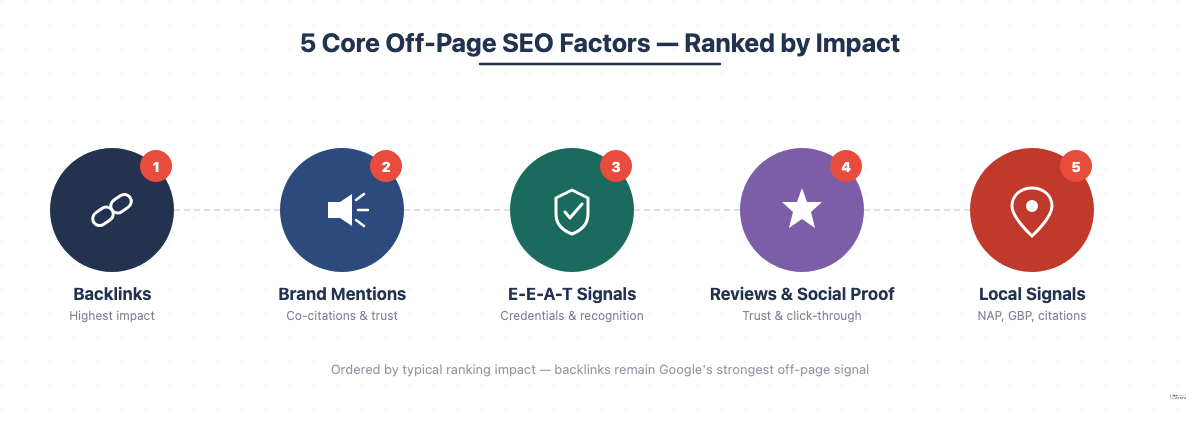
Not all off-page signals carry equal weight. Here is how the major factors rank for most sites:
- Backlinks: The number of unique referring domains and their quality (domain rating, topical relevance, link placement) remain the dominant off-page ranking signal. Google has confirmed that links are among the top three ranking factors.
- Brand mentions and unlinked citations: Google processes co-citations and unlinked mentions as soft trust signals. Being named consistently alongside authoritative sources in your topic area builds topical authority even without a hyperlink.
- E-E-A-T signals: Author credentials visible on third-party sites, awards, industry recognition, and press features all contribute to how Google assesses the credibility of your domain and individual pages.
- Reviews and social proof: For commercial and local sites, reviews on Google, Trustpilot, G2, and industry-specific directories influence both rankings and click-through rates. Review velocity and sentiment matter alongside raw count.
- Local signals: For businesses serving a geographic area, NAP consistency, Google Business Profile optimisation, and local citations are critical off-page factors with direct ranking impact in local SERPs.
Link Building: The Highest-Impact Off-Page Tactic
Link building is the process of earning hyperlinks from other websites to your own. A link from an external site tells Google that another publisher considered your content useful enough to reference. The more authoritative and relevant that publisher is, the stronger the signal.
What Makes a High-Quality Backlink
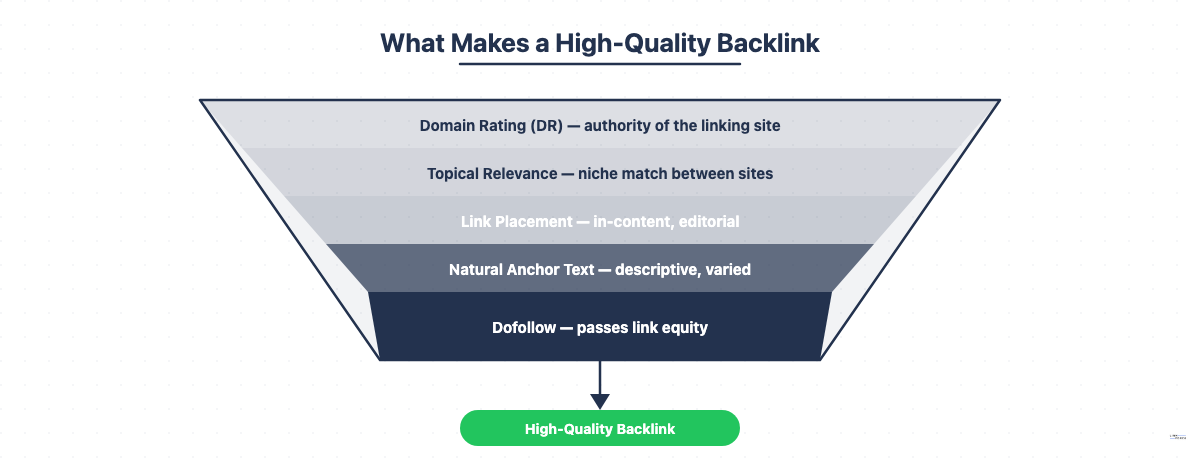
Not all links are equal. A link from a domain with high authority, topical relevance, and genuine editorial placement is worth many times more than a link from a low-quality directory.
The key quality factors:
- Domain Rating (DR) / Domain Authority (DA): The overall authority of the linking domain. A DR 80 publication carries far more weight than a DR 15 blog.
- Topical relevance: A link from a marketing publication to an SEO guide is more relevant than a link from an unrelated lifestyle blog.
- Link placement: In-content links surrounded by relevant text outperform footer links, sidebar widgets, or boilerplate placements. Google treats in-content placement as a signal that the editor made an active editorial choice.
- Anchor text: Descriptive, natural anchor text signals what the linked page is about. Over-optimised exact-match anchors raise red flags. A healthy backlink profile has a mix of branded, generic, and partial-match anchors.
- Dofollow vs. nofollow: Dofollow links pass link equity. Nofollow links (and ugc/sponsored attributes) do not pass equity directly, though a natural backlink profile includes a mix of both.
Guest Posting
Guest posting means writing original articles for other publications in exchange for a contextual backlink. Done well, it is one of the most sustainable link building strategies.
A guest post on a relevant DR 60+ publication in your niche does three things simultaneously: earns a high-quality backlink, builds brand awareness with a new audience, and strengthens your author credibility for E-E-A-T purposes.
What separates effective guest posting from the spam-adjacent version is editorial quality and publication selection. Target publications that your target audience actually reads. Pitch original angles backed by data or firsthand experience, not generic “top tips” articles any site could have published. Avoid link farms, content networks, and any site that charges a flat fee per post with no editorial review.
A practical guest posting workflow:
- Identify 20-30 target publications using Ahrefs Content Explorer. Filter by DR 40+, organic traffic 1,000+, and topic relevance. Prioritise publications your target audience actually reads.
- Study what has performed well on each publication. Look at their top posts by social shares or backlinks. Your pitch should follow a similar format.
- Pitch 3-5 specific article ideas per publication with a one-paragraph summary of the angle, the audience value, and why you are qualified to write it.
- Write to the publication’s audience standard, not your own blog’s standard. Their editorial bar is the one that matters for the backlink to be placed in a high-quality context.
- Place a single contextual backlink to the most relevant page on your site. If the article is about link building outreach, link to your outreach-focused content, not your homepage.
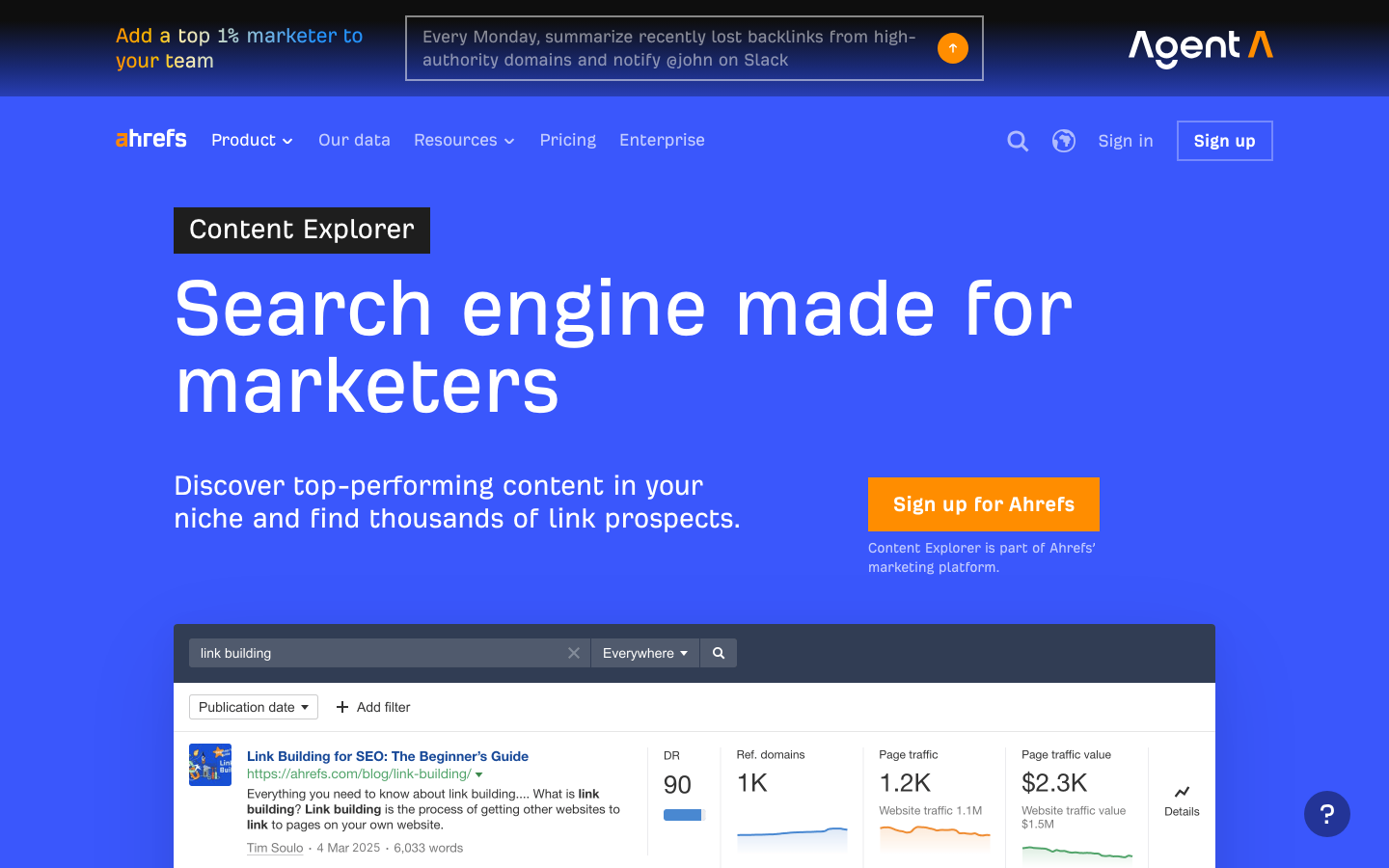
For a curated list of publications that accept contributor content, see the guide to free guest posting sites and guest posting sites on this blog.
Digital PR and Data-Driven Content
Digital PR earns editorial backlinks from news publications, industry blogs, and authority sites by creating content worth citing, typically original research, proprietary data, or a novel study.
A software company that surveys 500 marketers about their link building ROI and publishes the results creates an asset that journalists and bloggers will naturally cite. That single piece of research can generate 30-100 backlinks from publications that would never accept a guest post. The same applies to original industry benchmarks, salary reports, cost calculators, and data visualisations.
The investment is higher than standard content, but the link velocity and editorial authority of the publications that pick it up are difficult to replicate through any other method. A well-executed data study on a relevant topic in your niche can earn more referring domains in two weeks than six months of steady guest posting.
To distribute a data asset effectively:
- Identify 50-100 journalists and bloggers who have previously covered similar studies. A search in Ahrefs Content Explorer or Google News for past coverage of similar data will surface them.
- Reach out with a tailored pitch that makes the newsworthiness immediately clear. Lead with the most surprising or counterintuitive finding. Journalists decide within the first sentence whether a pitch is worth reading.
- Offer an embargo period to give publications time to prepare their own coverage before the public release date. Embargo pitches earn more thorough coverage because editors can schedule and plan around a known publication date.
For a deeper look at this tactic, see the digital PR guide and the roundup of digital PR tools.
Broken Link Building
Broken link building involves finding pages on other websites that link to dead URLs, creating a replacement resource on your own site, and reaching out to the linking sites to suggest the swap.
The logic is simple: the site already wants to link to something in this category. You reduce their editorial friction by offering a live, high-quality alternative, and they reduce their site’s 404 problem. Both sides benefit, which is why this tactic converts well.
The broken link building workflow:
- Use the Ahrefs Broken Link Checker or Site Explorer to find broken outbound links on relevant pages. Filter for 404 errors. Focus on pages that already rank well, as they likely have multiple linking sites.
- Verify the original URL is genuinely gone and not just temporarily redirected or restricted. A page blocked by a paywall is not a dead resource.
- Check how many external sites link to the dead URL. If only one or two sites link to it, the effort may not be worth it. Look for dead pages with 5+ referring domains.
- Create a replacement page that is better than what was originally there. A thin substitute will not earn the swap.
- Reach out to each linking site with a concise email. Mention the specific broken link (with the 404 URL), describe what you have created as a replacement, and provide the link. Keep it to 3-4 sentences.
For more on this tactic, see the full guide to broken link building and the Ahrefs broken link checker tutorial.
Unlinked Brand Mentions
Every time a publication mentions your brand without linking to your site, you have a warm outreach opportunity. The author already knows your brand well enough to name it. A polite email asking them to add the hyperlink converts at a higher rate than cold outreach because the relationship already exists, even if only implicitly.
Monitor for unlinked mentions using:
- Google Alerts (free, captures indexed mentions as they appear)
- Ahrefs Content Explorer (searches for your brand name and filters for pages without your domain in their backlinks)
- Semrush Brand Monitoring (continuous real-time alerts with sentiment tracking)
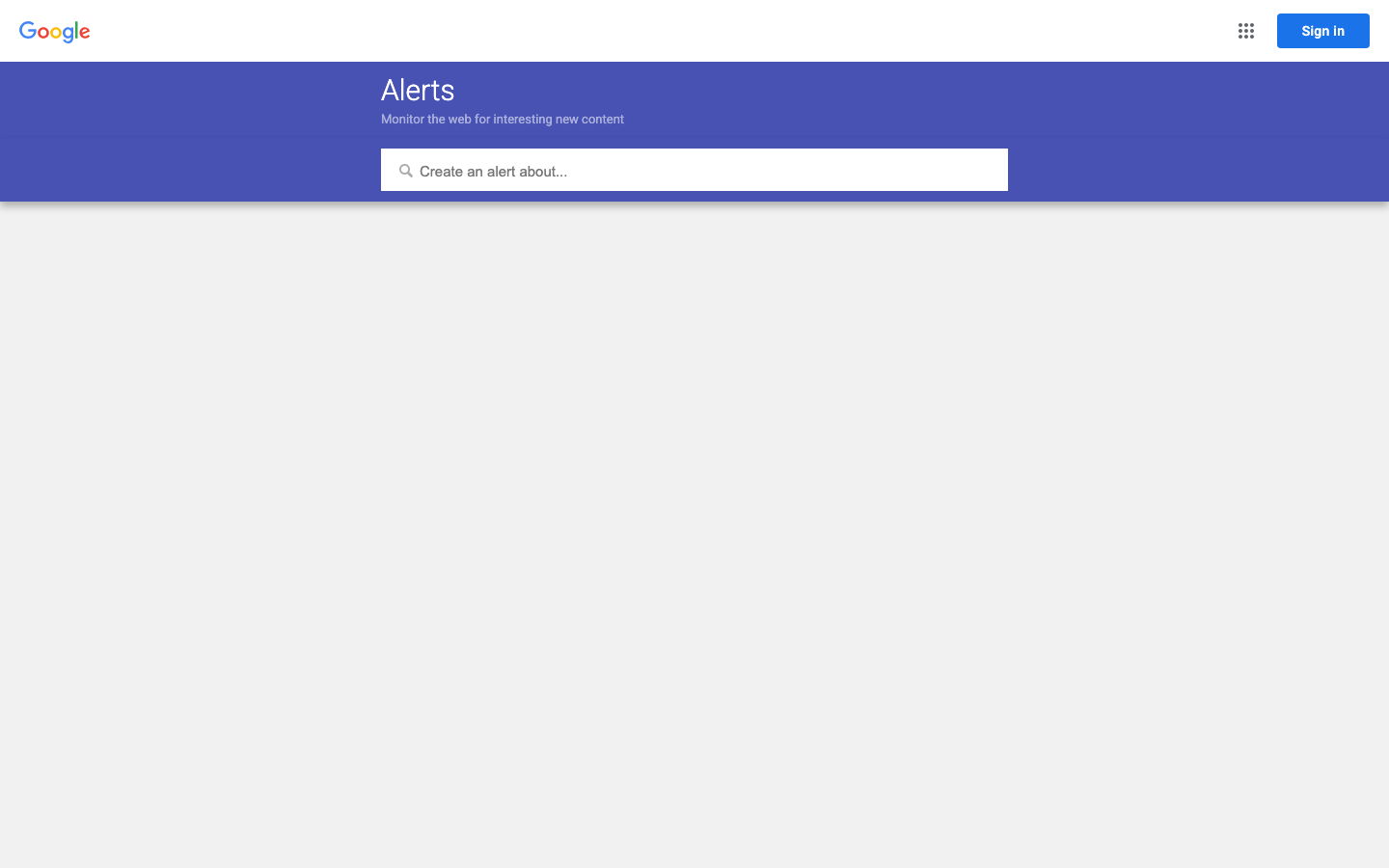
When you find an unlinked mention, reach out within the first few days of publication. The editorial window is short. Once an article is a few weeks old, authors and editors have moved on to other projects and response rates drop significantly.
Keep your email to 3-4 sentences: thank the author for the mention, note the missing link, explain which URL you would like them to add, and express why it adds value for their readers. Do not apologise for asking. Framing it as a value-add for their readers rather than a favour to you improves response rates.
HARO and Journalist Requests
Help a Reporter Out, now operating as Connectively, connects journalists looking for expert sources with people who can provide them. Responding to relevant queries earns editorial citations from publications ranging from niche industry blogs to major news outlets.
The key to HARO success is speed and specificity. Journalists work on deadlines. A response that arrives an hour after the query closes is useless. A response with specific data, a named example, or a first-person experience converts at a higher rate than a generic paragraph.
Set up query alerts for your core topics. Write a template opening that establishes your credentials in one sentence, so you can respond quickly without starting from scratch. Invest 10-15 minutes per response to ensure your answer is useful and specific, not promotional.
The highest-converting HARO responses include: a specific statistic or data point, a named example with an outcome, or a first-person observation from direct experience. “In my experience” followed by a generic claim is not specific. “In a campaign we ran for a B2B SaaS client in Q1 2025, we found that…” is specific and citable.
Resource Page Link Building
Resource pages are curated lists maintained by websites to help their readers find the best tools, guides, or services in a given category. They are natural link placement opportunities because the pages exist specifically to collect external links.
Find them with searches like: [your topic] + "useful resources", [your topic] + "recommended reading", or [your topic] + inurl:resources. Filter the results for domain authority (DR 40+) and relevance.
The pitch for a resource page is different from a guest posting pitch. You are not offering to create content; you are asking them to add your existing resource to their list. Lead with what the resource does for their readers and why it fits their list. Provide the URL and a brief description they can use verbatim if they choose to include it.
What to Avoid in Link Building
Certain link building tactics create more risk than benefit:
- Paid link schemes: Paying websites to place links violates Google’s guidelines and can result in manual penalties. This includes link networks, guest post farms that sell placements without editorial review, and private blog networks (PBNs).
- Reciprocal link exchanges at scale: Occasional partner exchanges are natural. Systematic “I link to you, you link to me” programs across dozens of sites create a detectable pattern.
- Over-optimised anchor text: If every link pointing to your site uses the same exact-match keyword phrase as anchor text, that is a manipulative pattern Google’s systems are built to identify.
- Low-quality directory submissions: Mass submission to general web directories provides little value and can hurt your anchor text diversity profile.
When in doubt, apply the editorial test: would a real editor at a publication that does not know you have chosen to link to this page because it genuinely helps their readers? If yes, it is a clean link. If the link exists only because you arranged it, it is a grey area at best.
Brand Signals: The Off-Page Factor Most Sites Ignore
Brand signals are the collection of off-page signals that tell Google your entity is real, consistent, and recognised by people in your space. They sit below backlinks in raw ranking impact, but they contribute meaningfully to long-term authority building and increasingly to AI citation visibility.
Why Brand Signals Matter
Google’s understanding of entities, including real-world brands, people, and organisations, influences how it ranks pages from those entities. A brand that appears consistently across multiple platforms with consistent information is more trustworthy than a site that exists only as a domain with content.
Branded search volume is one measurable output of brand signal health. When users actively search for your brand name, that signals to Google that your entity is recognised and sought after. Backlinko research shows that YouTube presence correlates with branded search volume: brands with active YouTube channels tend to generate higher branded search interest, which feeds back into overall authority signals.
Co-citation patterns also matter. If your brand name consistently appears alongside the same respected entities in content about your topic, Google begins associating your entity with those topics even when you are not directly linked.
How to Build Brand Signals
- Consistent NAP across all platforms: Your business name, address, and phone number should be identical across your website, Google Business Profile, LinkedIn, industry directories, and any other platform where your brand appears. Even minor inconsistencies (abbreviating Street as St. on one platform, for example) create conflicting signals.
- Active YouTube presence: Video content that earns views and subscribers builds brand recognition within Google’s own ecosystem. A YouTube channel covering the same topics as your website creates co-citation and co-occurrence patterns that reinforce topical authority.
- Press mentions and interviews: Getting quoted in industry publications, appearing on podcasts, and being interviewed by journalists all create mentions that build co-citation patterns around your brand and its topic associations.
- Speaking at industry events: Event organisers publish speaker profiles and often link to the speaker’s website. Speaking creates both backlinks and high-authority brand associations that are difficult to fake.
- Social media presence: Social signals do not directly influence Google rankings. But social distribution increases branded search, drives traffic that generates engagement signals, and earns secondary backlinks from readers who discover your content through social channels.
E-E-A-T as an Off-Page SEO System
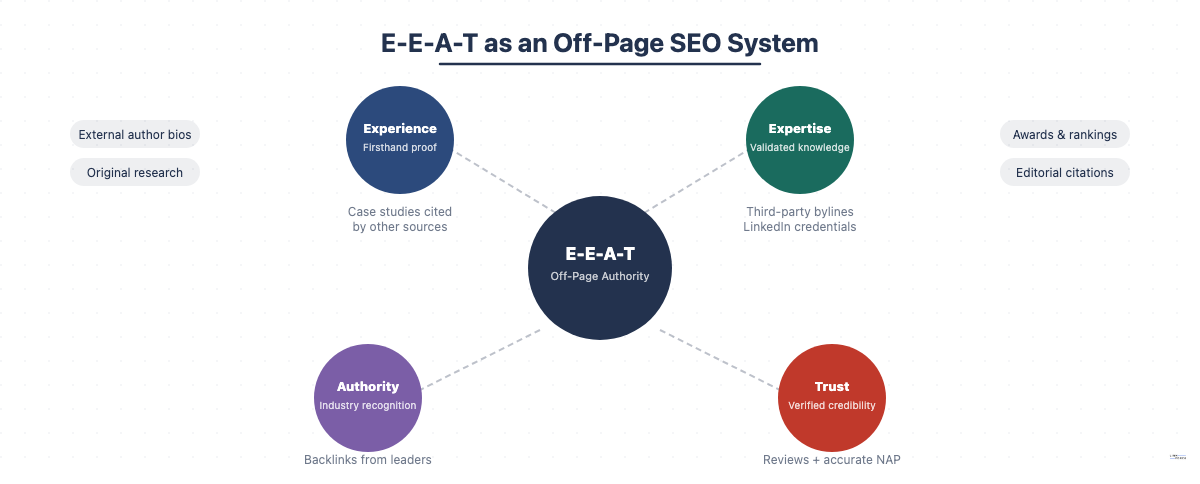
E-E-A-T is often discussed as a content quality framework, but most of its evidence is collected off-page. The practical way to build E-E-A-T is to treat it as a systematic off-page program, not just a content writing checklist.
Experience and Expertise
Experience signals tell Google that the content creator has first-hand knowledge of the subject. Off-page indicators of experience include:
- Being cited by other publications as a practitioner or case study subject
- Publishing original research that other sources reference and link to
- Having an author profile that links to external bylines on industry publications
- LinkedIn profiles that confirm your role, tenure, and clients in the relevant field
Expertise is validated externally. A claim of “SEO expert” on your own About page carries minimal weight. The same credential confirmed by a byline in Search Engine Journal, a citation in an Ahrefs study, or a case study published by a recognised industry tool carries significant weight because external sources that have their own editorial standards chose to include you.
Authoritativeness
Authoritativeness is the most direct output of a successful link building and PR program. The strongest off-page authoritativeness signals are:
- Backlinks from recognised industry authorities such as publications, institutions, and associations
- Being cited as a source rather than just linked to as a resource
- Named awards, rankings, or recognitions from credible third-party organisations (G2 Leader badges, industry association recognitions, media “best of” lists)
- Being listed in curated “best of” collections by publications your target audience respects
A B2B software company that appears in G2’s top-ranked tools for its category, is cited in an industry association report, and earns links from five leading trade publications has stronger authoritativeness signals than a company with more total backlinks from lower-quality sources.
Trustworthiness
Trustworthiness off-page signals include:
- Positive reviews on independent review platforms such as Google, Trustpilot, G2, and Capterra
- A clean backlink profile with no active disavow cases for toxic link campaigns
- Accurate, consistent information across all platforms
- A Google Knowledge Panel (claimed and kept accurate)
- Transparent ownership information that matches what appears on the site
Off-Page E-E-A-T Checklist
- All content authors have linked bios with external publication credits
- Brand appears on at least three third-party authority sites in your niche
- Positive reviews exist on at least two independent review platforms
- At least one press mention or editorial citation in the last 12 months
- Google Knowledge Panel exists and has been claimed
- No manual action flagged in Google Search Console
- Backlink profile is clean with no current toxic link issues requiring disavowal
Content Marketing as an Off-Page Driver
Content marketing generates off-page signals as a byproduct: well-distributed content earns citations, shares, and links that a standalone page would never accumulate. The key is distribution beyond your own domain.
Podcast and Webinar Appearances
Appearing as a guest on relevant podcasts and webinars creates multiple off-page benefits simultaneously. Show notes include a link to the guest’s website. The episode page builds brand mention coverage on a domain that may have substantial authority. Listeners who find the content valuable may search for your brand, link to your content from their own sites, or cite you in their own writing.
A replicable content repurposing approach: convert a webinar into a blog post series, extract key quotes as LinkedIn carousels, and clip audio highlights as short-form social posts. Each format reaches a different audience segment and creates additional brand mention coverage across platforms, multiplying the off-page surface area from a single appearance.
To find relevant podcast opportunities, search your topic in Apple Podcasts or Spotify to identify shows that cover your niche. Check their episode counts and publishing frequency to identify active shows worth pitching. A personalised pitch that references a specific episode you found valuable and explains what angle you could bring to their audience converts at a higher rate than a generic “I would love to be a guest” email.
Content Syndication Done Right
Syndicating your articles to Medium, LinkedIn Articles, or industry publications extends reach and generates additional brand mentions. The critical technical rule is to always include a canonical tag pointing back to your original URL, or to ensure the syndication partner applies a canonical to your domain.
Without canonical handling, syndicated content can compete with the original for rankings, create duplicate content signals, or dilute the link equity that should flow to your primary page. Platforms that support custom canonical tags (Medium, for example) make this easy to implement. Platforms that do not should be treated with caution or avoided for full-article syndication.
Partner and Influencer Collaborations
Co-authored research or tool collaborations with complementary brands generate mutual link and brand coverage. Both parties promote the joint asset to their audiences, creating cross-pollination of link profiles and brand signals that neither company would generate alone.
A joint survey report published by two complementary B2B tools typically earns more editorial coverage than either company would generate independently because both organisations have an incentive to amplify it and journalists see two credible endorsers rather than one. The cost of the research is shared, but the distribution reach multiplies.
Local SEO Off-Page Tactics
For businesses that serve customers in a specific geographic area, off-page local SEO signals are ranking factors in local SERPs that generic link building alone cannot substitute.
Google Business Profile Optimisation
Your Google Business Profile (GBP) is the most important local off-page asset. A complete, verified, and actively maintained GBP profile earns higher placement in the Local Pack, the map-based results that appear above organic results for many local queries.
Key optimisation points: correct primary and secondary business categories, accurate hours and contact information, regular GBP posts (Google treats these as freshness signals), high-quality photos of your premises and work, and a steady stream of authentic customer reviews with thoughtful owner responses.
An incomplete or unclaimed GBP profile is one of the most common local SEO gaps. If your business has a physical location and you have not claimed your profile, that is the single highest-priority off-page action you can take today.
NAP Consistency
Name, Address, Phone number (NAP) must be identical across every platform where your business appears. Minor inconsistencies, such as abbreviating “Street” as “St.” on one platform but not another, or using different phone number formats, create conflicting signals that reduce Google’s confidence in the accuracy of your business information.
Audit your NAP using a tool like Semrush’s Listing Management or BrightLocal, which checks hundreds of directories simultaneously and flags inconsistencies. Fix the most authoritative directories first: Google Business Profile, Bing Places, Apple Maps, Yelp, and your primary industry directories.
Local Citations and Reviews
Local citations are mentions of your business on directories, local news sites, and industry-specific platforms. The quality and quantity of citations from relevant local sources correlate with local map rankings.
Prioritise citations in core general directories (Yelp, Yellow Pages, Bing Places, Apple Maps), industry-specific directories (Houzz for home services, Healthgrades for medical practices, Avvo for legal professionals), and local news and business association sites in your city or region.
Review strategy: the most effective approach is a systematic post-service review request. Send a short email or SMS after each customer interaction with a direct link to your Google review form. Make it a frictionless single step for the customer. Never offer incentives for reviews, as this violates Google’s policies and can result in review suppression or a penalty on your GBP profile.
How to Measure Off-Page SEO Success
Off-page SEO does not produce results overnight. The standard timeline for a link-earning campaign to produce measurable ranking movement is three to six months. That lag makes measurement discipline especially important. You need leading indicators to know whether the program is working before the ranking changes become visible.
Key Metrics to Track
| Metric | Tool | Reporting Frequency |
|---|---|---|
| Referring domains (total and net new) | Ahrefs, Semrush | Monthly |
| Domain Rating / Domain Authority trend | Ahrefs / Moz | Quarterly |
| Branded search volume | Google Search Console | Monthly |
| Unlinked brand mentions | Ahrefs Content Explorer, Google Alerts | Monthly |
| Organic traffic from externally linked pages | Google Analytics | Monthly |
| Spam score / toxic link count | Semrush, Moz | Quarterly |
| Review count and average rating | Google Business Profile, G2 | Monthly |
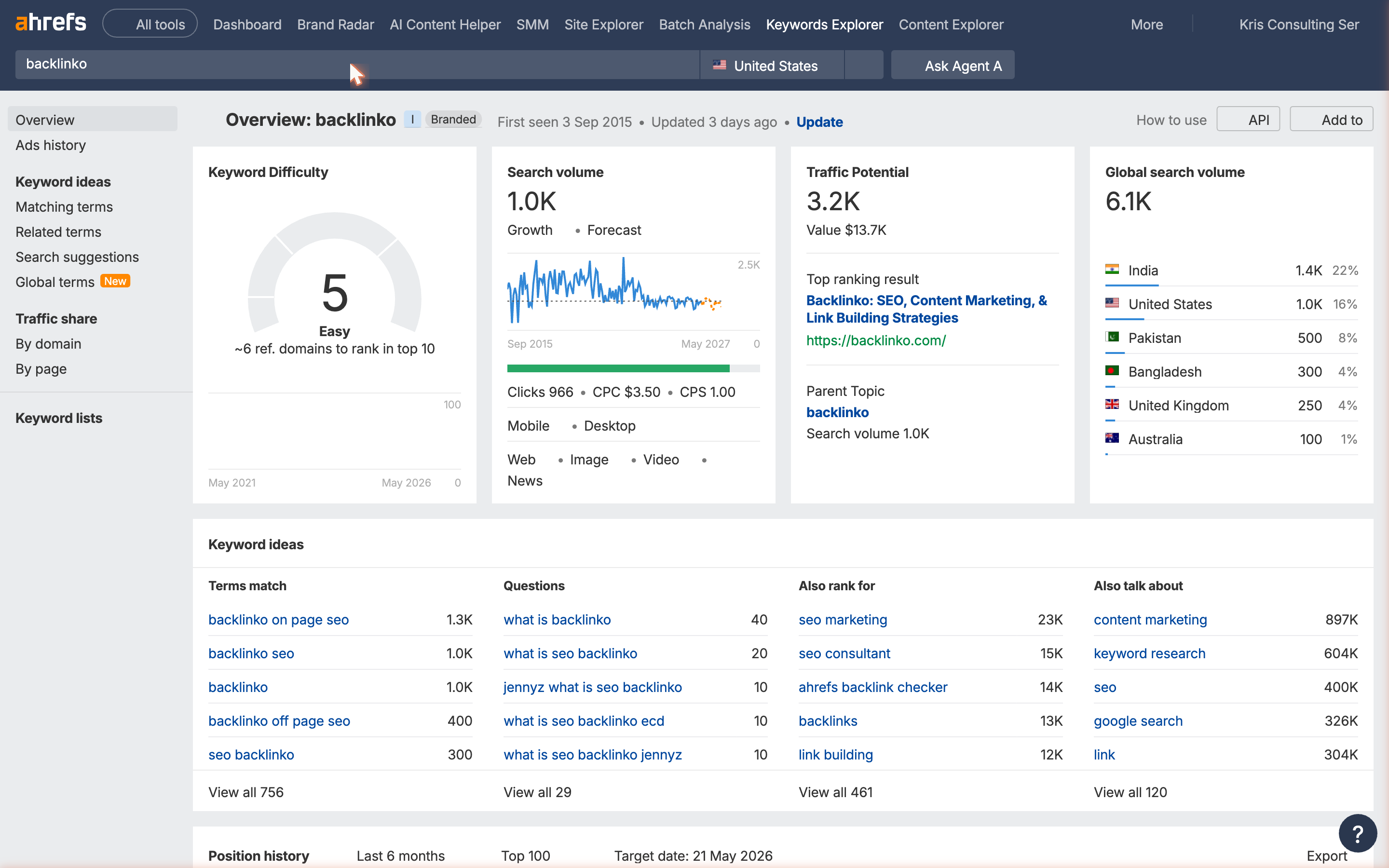
Net new referring domains is the most reliable leading indicator. A site adding 5-10 quality referring domains per month is on a trajectory toward meaningful authority gains, even before those gains show up in rankings. A site that gains 50 links from 3 domains is making far less progress than a site that gains 15 links from 15 separate high-quality domains.
Reporting Cadence for Stakeholders
The most common mistake in off-page SEO reporting is jumping straight to rankings. Rankings are a lagging output and are easily misread due to localisation, device, and personalisation variables.
A cleaner reporting structure for stakeholders:
Monthly: Net new referring domains gained vs. lost, plus new brand mentions and unlinked citation opportunities identified and actioned.
Quarterly: Domain Rating trend, branded search volume movement from Google Search Console, progress toward target publication placements (e.g., “we placed 3 of our 10 target publications this quarter”).
Annual: SERP position movement on primary target keywords, organic traffic growth attributed to off-page authority gains, full E-E-A-T signal audit covering new author credentials, press mentions, and review platform counts.
Off-Page SEO Prioritisation: Where to Start Based on Your Site’s Stage
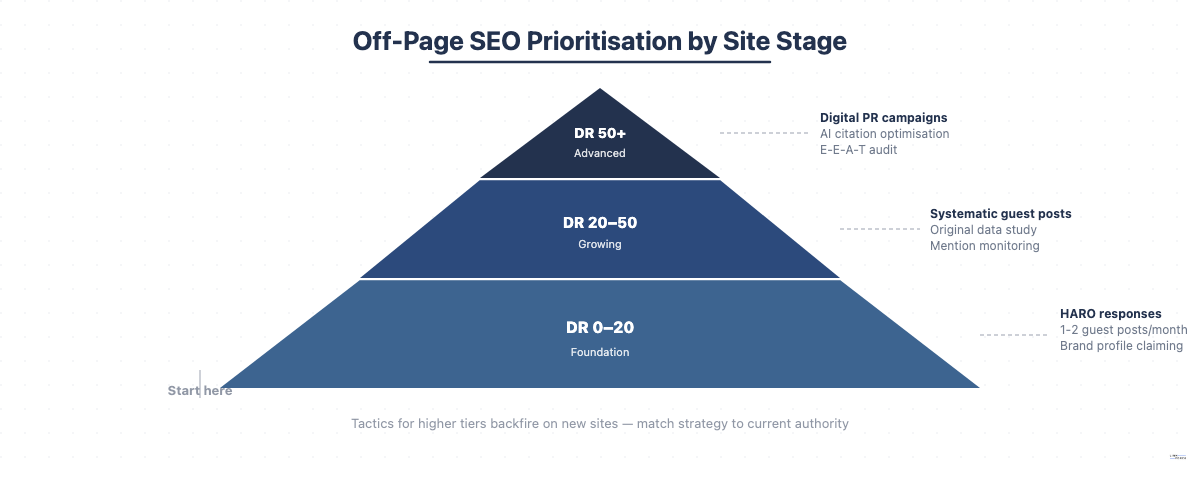
The most common mistake in off-page SEO is attempting tactics built for established sites on a brand new domain. Chasing editorial placements in major publications when your site has a DR of 8 is not a productive use of time. The right strategy depends on where your site currently sits in terms of authority.
DR 0-20: New or low-authority sites
Start with on-page fundamentals before launching an aggressive link building campaign. A site with structural content problems or thin pages will not retain the rankings that new backlinks temporarily push it toward.
Once on-page fundamentals are solid, focus on: HARO and journalist requests for quick editorial mentions with minimal time investment, one to two high-quality guest posts per month on publications that are accessible at your authority level, and claiming all brand profiles (Google Business Profile, LinkedIn company page, Crunchbase, relevant industry directories). The goal at this stage is reaching 15-25 quality referring domains from relevant, trustworthy sources.
DR 20-50: Growing sites
Expand to systematic guest posting targeting 4-8 editorial placements per month. Commission or conduct an original data study to create a link-worthy asset that can generate coverage at scale. Set up brand mention monitoring and begin systematically converting unlinked mentions. Build out E-E-A-T infrastructure: author bios with external links, applying for relevant industry awards, and seeking podcast guest appearances in your niche.
DR 50+: Established sites
Shift focus from quantity to editorial quality. At this stage, a single link from a DR 90 news publication or industry authority is worth more than 10-15 links from DR 50 blogs. Invest in high-budget digital PR campaigns such as comprehensive industry studies, interactive tools, or large-scale data visualisations. Conduct a full E-E-A-T signal audit and address any gaps. Begin optimising specifically for AI citation visibility by ensuring your brand appears consistently in the publications that AI tools reference most frequently.
Off-Page SEO in 2026: What Changes With AI Search
AI search tools, including Google’s AI Overviews, ChatGPT, Perplexity, and Gemini, have changed how a meaningful percentage of users discover and consume information. The off-page SEO implication is that citation authority now matters in two separate but overlapping systems: traditional search rankings and AI-generated answer sourcing.
How AI Tools Decide What to Cite
AI systems trained on large corpora of web content show consistent preference for sources with high domain authority, consistent presence across many relevant topics, and references from other authoritative sources.
Research into AI citation patterns confirms systematic preference for recognisable publication brands. Forbes, NerdWallet, Wikipedia, academic institutions, and major trade publications dominate AI-generated citations across most topic areas. Individual pages that rank well in traditional search but lack that publication-level brand recognition are often cited less frequently than their rankings would suggest.
This creates an important strategic implication: appearing within those already-cited publications, as a quoted expert, a cited data point, or a referenced study, contributes to AI citation visibility before your own domain achieves high enough authority to be cited directly. HARO responses that land in Forbes or Inc. are more valuable in the AI search era than they were even two years ago.
Practical Steps for AI Citation Visibility
Get quoted as an expert source in publications that AI tools already cite. A quote in Forbes or TechCrunch contributes more to AI citation presence than many links from mid-tier blogs, because AI tools treat high-authority publications as trusted retrieval sources.
Publish original data that journalists at high-authority publications will reference. When Forbes cites your survey data, that data becomes part of the retrieval context that AI tools draw from. The data needs to be specific, credible, and cover a topic the publication’s audience cares about.
Build brand mention density around your key topics. If your brand appears in content about link building, digital PR, or SEO authority, AI tools develop a stronger association between your entity and those topics over time. Consistency and volume of on-topic mentions matters more than any single high-profile placement.
Maintain a Wikipedia presence or Wikidata entry if appropriate for your entity type. Wikipedia is one of the most consistently cited sources across all major AI tools. For brands that meet Wikipedia’s notability standards, a well-maintained entry provides a persistent AI citation anchor.
Conclusion
Off-page SEO is the system by which the rest of the internet vouches for your site. Search engines, and increasingly AI tools, use that external endorsement network to decide which pages deserve to rank and which deserve to be cited in generated answers.
The fundamentals have not changed: earn high-quality backlinks from relevant, authoritative domains, build a recognisable brand that generates consistent off-page mentions, and create enough external evidence of E-E-A-T that Google’s systems have no reason to doubt your credibility.
What has changed in 2026 is scope. The same signals that move traditional rankings now determine AI citation visibility. Off-page SEO investment now pays dividends in two separate discovery channels rather than one, which makes a consistent, quality-first off-page program more valuable, not less.
Start with the tactics appropriate to your current domain rating. Measure referring domain growth monthly. Layer in brand signal building and E-E-A-T work as your authority foundation grows. Treat digital PR and data-driven content as a core budget line, not an occasional experiment.
Further reading in this cluster: Link Building Outreach | Digital PR | Guest Blogging | Broken Link Building | Link Building Software