Link building software works best when it removes a specific bottleneck. Most teams do not need one giant platform that promises everything. They usually need a practical 2- to 3-layer stack: one layer for research, one for outreach execution, and sometimes one supporting layer for contact discovery or reporting cleanup.
The useful question is not „Which tool has the longest feature list?“ It is „Which job is slowing the campaign down right now?“ Good software speeds up process, improves visibility, and keeps work organized. It does not replace positioning, relevance, or judgment.
That distinction matters because many teams overbuy. They pay for more automation, more tabs, and more overlapping features before they have fixed the core operating problem. The better path is usually narrower: buy the layer that removes the current bottleneck, then add only one supporting layer at a time if the workflow genuinely needs it.
What is link building software?
Link building software is the set of tools teams use to research prospects, manage outreach, verify contacts, and monitor link outcomes. It helps most when it removes repetitive workflow friction, but it does not replace relevance, judgment, or editorial fit.
In practice, link building software usually helps with four jobs: prospecting, contact discovery, outreach workflow, and backlink intelligence with reporting support. The strongest stacks split those jobs cleanly instead of pretending one tool does every part equally well.
- prospecting and list building
- contact discovery and verification
- outreach workflow and follow-up
- backlink intelligence, monitoring, and reporting support
That is why broad „best tool“ roundups often disappoint. A backlink database is not the same thing as an outreach CRM. An email-finding tool is not the same thing as a reporting layer. Strong buying decisions start when you decide which job needs the most help first.
Where software helps most:
- researching realistic prospects faster
- keeping outreach follow-up and ownership organized
- spotting link gains, losses, and reporting gaps earlier
Where software does not replace the team:
- deciding whether a site is genuinely relevant
- writing outreach that feels specific and credible
- judging whether a link is worth the relationship cost
Prospecting and list building
Prospecting tools help you decide which sites and pages are worth contacting. Some products are strongest when campaign planning starts with backlink research and competitor review. Others are better at turning a seed list into a manageable queue with relationship notes, ownership, and status tracking.
Outreach and relationship management
This is where workflow software matters most. If your team is managing pitches, follow-ups, notes, and ownership manually, the right platform saves hours every week. Automation helps with process, but quality control still depends on the team.
Monitoring and reporting
Backlink tools and outreach platforms both shape reporting. One side shows what links appeared, disappeared, or changed. The other shows what happened inside the campaign: who replied, who needs follow-up, and where execution is getting stuck. Strong reporting starts when those two views stay separate but connect cleanly.
How to compare link building tools by job, team, and budget
Before you compare vendors, answer four buying questions. This usually creates a better shortlist than reading ten generic feature tables.
Start with the bottleneck, not the feature list
If your team cannot find enough relevant sites, start with prospecting and backlink research. If the problem is outreach chaos, start with a workflow platform. If campaigns are running but nobody trusts the updates, fix reporting structure before you add more software.
Check the data before you buy the workflow
The cleanest outreach workflow is still weak if the research or contact data underneath it is unreliable. Backlink platforms live or die on the quality of their index. Outreach platforms live or die on contact quality, workflow fit, and how easy they make it to keep campaigns moving.
Match reporting depth to the audience
Operators need more detail than leadership does. A good stack makes it easy to see day-to-day movement while still packaging a clean weekly or monthly summary. If a tool creates a noisy working view but no simple summary, the reporting burden usually just moves somewhere else.
Budget for the stack, not one shiny tool
Many teams only need 2 to 3 tools, not a bloated all-in-one purchase. That usually means one tool owns backlink intelligence, one owns outreach workflow, and a third only earns its place if contact discovery or reporting is clearly the bottleneck. Buy for the full operating model, not for the most impressive demo.
If you want a quick buying filter, ask four questions before you shortlist anything:
- Which team member uses this tool every day?
- Which job becomes easier in the first two weeks?
- What existing spreadsheet or manual step should disappear?
- Which other system should remain the source of truth after the purchase?
Quick comparison of the best link building tools
| Tool | Best for | Main role in the stack | Main weakness |
|---|---|---|---|
| Semrush | Teams that want backlink intelligence plus monitoring inside a broader SEO stack | backlink research, monitoring, reporting support | not the strongest dedicated outreach workflow |
| Ahrefs | Teams that care most about backlink research and competitive discovery | backlink analysis, prospecting support | still needs a separate outreach system |
| BuzzStream | Teams that need an outreach CRM without heavy enterprise overhead | outreach workflow, relationship management | lighter research layer than dedicated backlink tools |
| Pitchbox | Larger outreach programs with more process and more moving parts | outreach automation, campaign operations | can feel heavy for smaller teams |
| Respona | Teams that want prospecting and outreach closer together | prospecting, contact discovery, outreach | all-in-one fit still depends on workflow match |
| Hunter | Teams that mainly need contact discovery and verification | email discovery, verification | support tool, not a full link building stack |
The point of the table is not to crown one universal winner. It is to make the shortlist easier. If your biggest issue is research depth, Semrush and Ahrefs deserve the first look. If your bigger problem is outreach execution, BuzzStream, Pitchbox, and Respona are more relevant. Hunter belongs in the conversation only when contact discovery is the real blocker.
Best link building software by use case
Semrush for backlink intelligence and monitoring inside a wider SEO stack
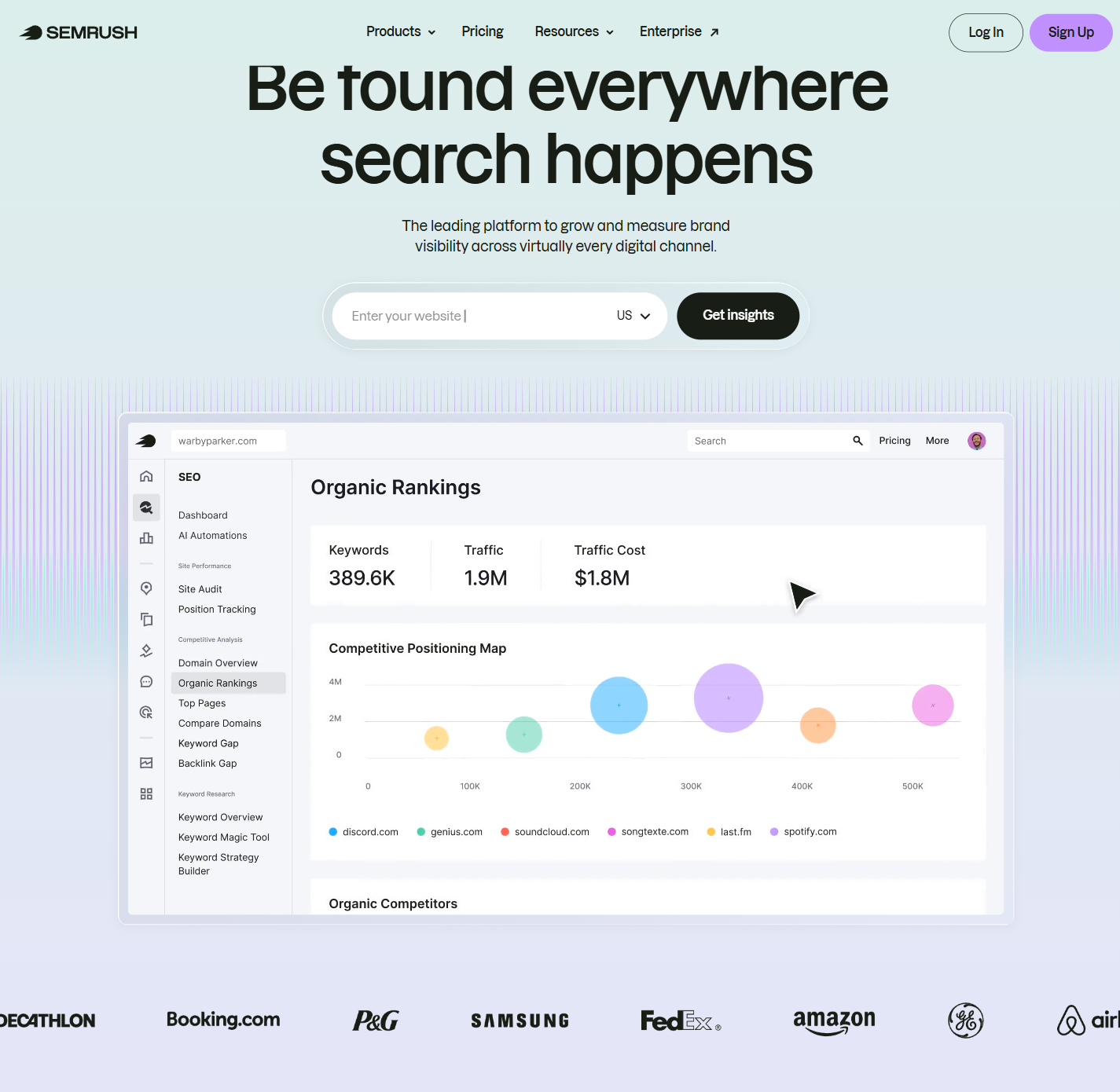
Semrush is the strongest fit when link building sits inside a broader SEO program. It helps with backlink research, competitor review, monitoring, and giving stakeholders a cleaner read on how the backlink profile is moving over time.
Its biggest advantage is context. Teams that already use Semrush for SEO work do not need to bolt link decisions onto an unrelated toolset. Research, monitoring, and broader search visibility can stay in the same operating view, which often makes stakeholder updates easier even if outreach still happens elsewhere.
Choose Semrush if:
- link building sits inside a wider SEO workflow
- you want research and monitoring in the same platform
- stakeholder reporting benefits from one broader SEO toolset
Skip Semrush if:
- your main bottleneck is outreach operations, not research
- you need a dedicated CRM-style workflow for pitches, follow-ups, and ownership
Best for: SEO teams that want research and monitoring first, then add outreach software only when campaign execution gets more complex.
Ahrefs for backlink research and competitive discovery
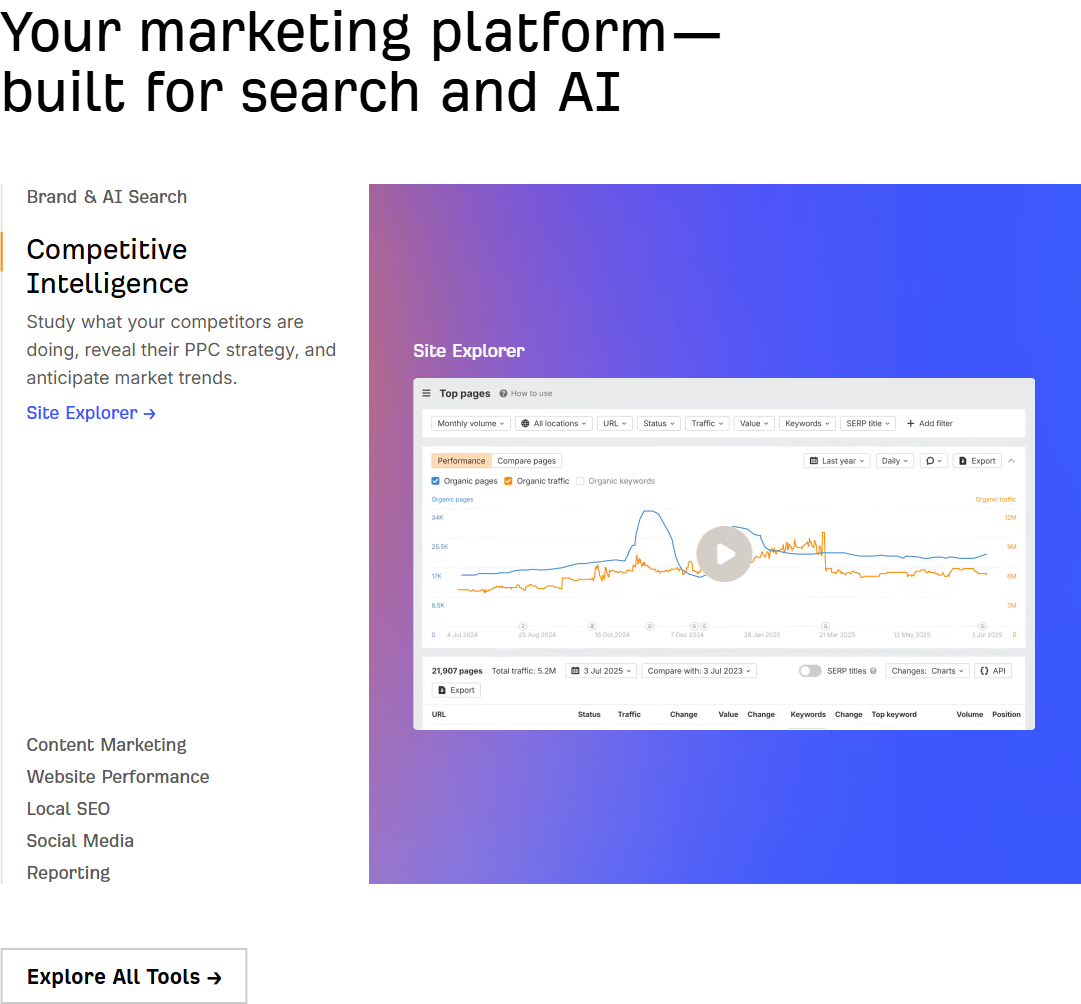
Ahrefs is strongest when the main job is backlink intelligence. If you need to understand who links to competitors, which pages attract links, and where your current profile is weak, it is one of the clearest shortlist candidates.
This makes Ahrefs especially useful at the planning stage of a campaign. When the team needs to build a better prospect universe before it worries about process tooling, the research depth matters more than having native outreach controls in the same product.
Choose Ahrefs if:
- campaign planning starts with research depth
- competitor backlink analysis is central to prospect discovery
- your outreach process already exists and needs better inputs
Skip Ahrefs if:
- you want one tool to run outreach workflow as well
- you need clearer campaign-management and follow-up controls inside the same product
Best for: Teams that already know how they run outreach and want stronger research feeding that process.
BuzzStream for outreach CRM and relationship management
BuzzStream is built around outreach operations rather than just backlink data. It is valuable when the real pain point is campaign organization: contacts, templates, follow-ups, notes, and ownership.
That operational focus is why BuzzStream often feels more useful than a broader all-in-one promise. It gives smaller teams a workable system for running campaigns consistently without forcing them into a heavier enterprise process before they actually need it.
Choose BuzzStream if:
- your outreach process still lives across inboxes and spreadsheets
- relationship management matters more than heavy automation
- you want a practical workflow system without a giant setup burden
Skip BuzzStream if:
- you expect the same depth of backlink research as Semrush or Ahrefs
- you need a heavier multi-user outreach engine with more process layers
Best for: Small to midsize teams that need a practical outreach system before they need heavier automation.
Pitchbox for larger outreach programs with more process control
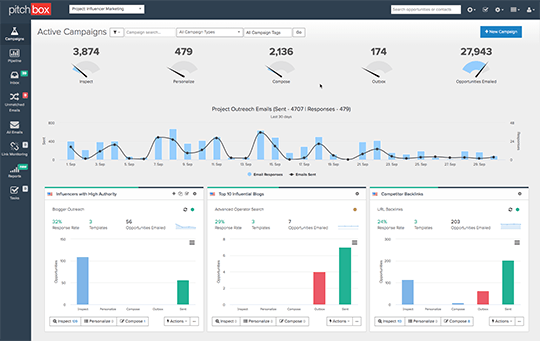
Pitchbox is a better fit when outreach has already become a full operational system. It is built for teams that need more structure around prospecting, campaigns, workflow control, and follow-up at scale.
In practice, Pitchbox makes more sense once the outreach function has enough volume, enough owners, or enough review steps that lighter systems start to strain. It is less about buying more features and more about reducing process friction in a bigger machine.
Choose Pitchbox if:
- several people are involved in campaign operations
- outreach requires tighter process control and more structured automation
- scale matters more than keeping the stack lightweight
Skip Pitchbox if:
- your team is still small and wants a simpler CRM-style system
- heavier process layers would add friction instead of removing it
Best for: Agencies or larger in-house teams that need a more controlled outreach engine.
Respona for teams that want prospecting and outreach in one operating layer
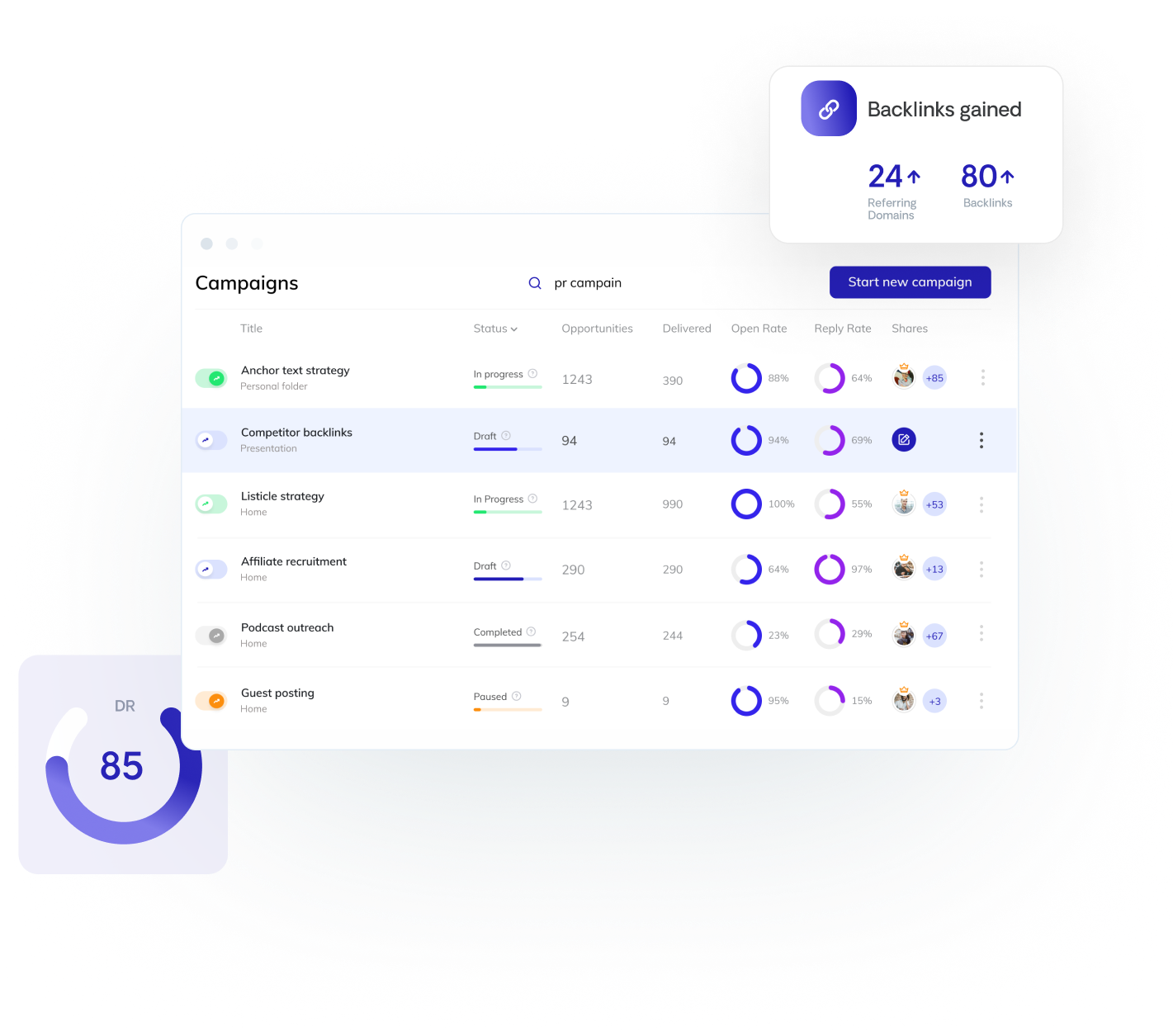
Respona sits between prospecting and workflow execution. It is useful for teams that want to reduce tool switching and keep discovery, contact work, outreach, and follow-up closer together.
That can be a real advantage for lean teams. If the friction is happening in the handoff between „we found the opportunity“ and „we actually moved it into outreach,“ a more integrated operating layer can be more valuable than the single strongest research database.
Choose Respona if:
- you want a more integrated operating layer early
- the handoff between prospecting and outreach is your biggest friction point
- speed matters more than assembling a best-in-class stack from day one
Skip Respona if:
- you prefer separate best-in-class tools for research and outreach
- your exact workflow needs to be highly customized around different owners or systems
Best for: Teams that want an integrated workflow before they commit to a more complex stack.
Hunter for contact discovery and verification
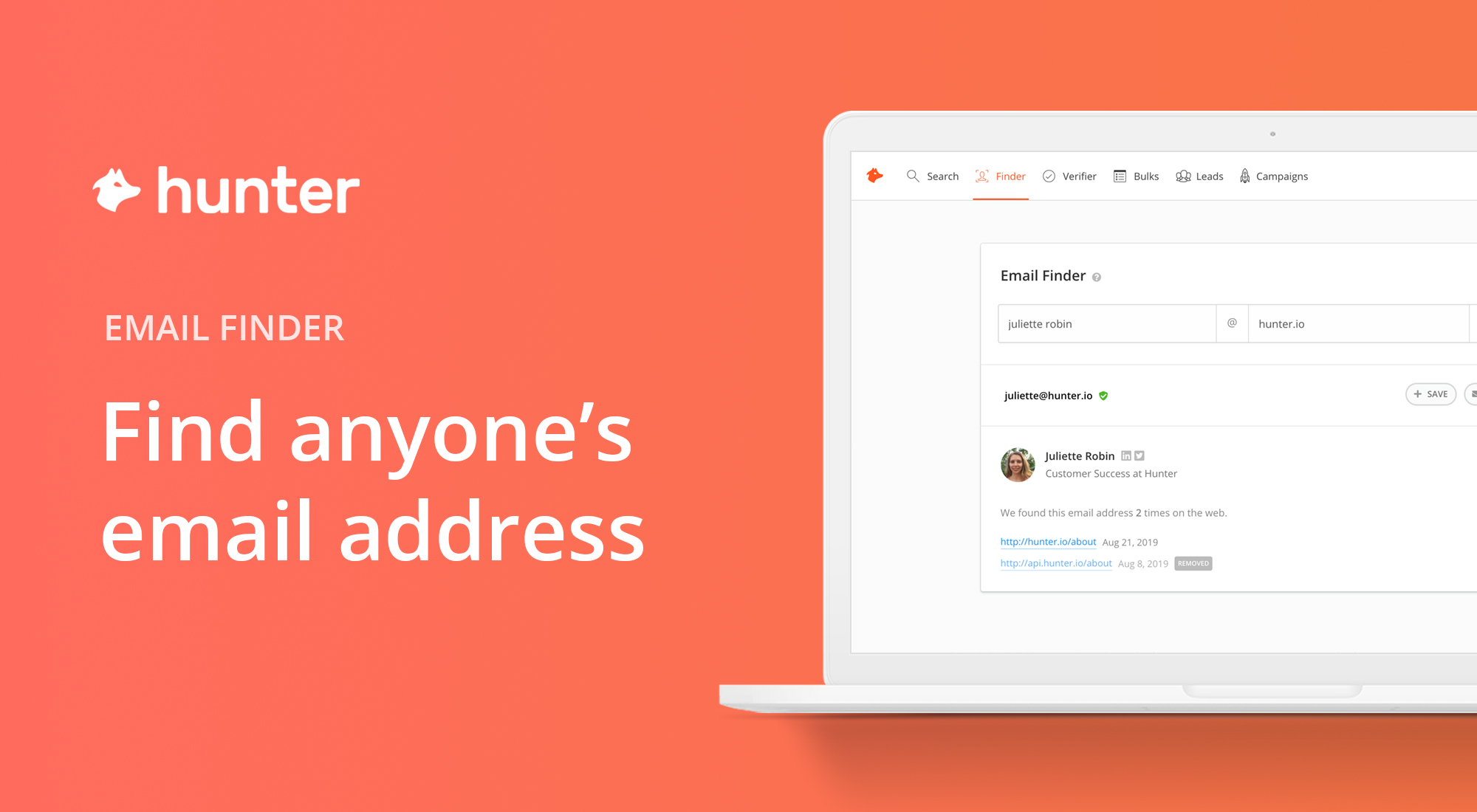
Hunter is not the full answer to link building software on its own, but it is one of the most useful support tools in the stack. If the bottleneck is finding and validating contact details, Hunter solves a specific problem well.
That narrower role is exactly why it can still be worth paying for. Teams often waste hours on contact lookup and verification inside a process that otherwise works. In that situation, a focused support tool can create more value than replacing the whole stack.
Choose Hunter if:
- you already know who you want to reach and need cleaner contact data
- verification is slowing campaign preparation down
- you want a focused support layer instead of another broad platform
Skip Hunter if:
- you need campaign management, reporting, or backlink analysis
- you are looking for the full operating system rather than one support function
Best for: Teams that need a cleaner contact-finding workflow inside a broader outreach process.
What a practical link building stack looks like
Most teams can start with 2 layers and add a third only when the workflow proves it is necessary. A lean stack usually means one research layer, one outreach layer, and one supporting discovery layer only if contact verification is clearly slowing the team down.
A lean stack for small teams
- one research layer for backlink intelligence and prospect discovery
- one outreach layer for execution, ownership, and follow-up
- one supporting discovery layer only if contact verification is the actual bottleneck
One simple example:
- use Semrush or Ahrefs to identify prospects and monitor backlink movement
- use BuzzStream or Respona to manage outreach workflow
- move to Pitchbox when the outreach program is larger and needs more process control
- use Hunter when contact discovery needs its own dedicated support
A broader stack for agencies or multi-client teams
Larger teams usually need the same core layers, but the operating model is less forgiving. More owners, more campaigns, and more reporting handoffs raise the cost of using a lightweight workflow that nobody governs clearly.
- Semrush or Ahrefs still own research and monitoring
- Pitchbox can own heavier outreach workflow and campaign control
- Hunter can stay as a support layer when verification volume is high
- reporting should still roll up into one agreed summary view instead of living in every tool at once
This is also where reporting becomes easier. One tool owns link outcomes, one tool owns campaign movement, and the summary becomes much cleaner. If reporting is still the weak point, the guide on link building reporting goes deeper on what to track and how to present it.
The practical rule is simple: operators need a working view, while leadership needs a summary view. Research tools usually serve the first part better, outreach systems usually explain the second part better, and the reporting layer only becomes reliable when both roles stay clear.
FAQ
What is the best link building software overall?
There is no universal best option. The best choice depends on whether you need research depth, outreach workflow, contact discovery, or reporting support first.
Do you need more than one tool?
Often yes. One tool may own backlink intelligence while another owns outreach workflow. The mistake is buying overlapping platforms without deciding which one is the source of truth for each job.
Which tool is best for reporting?
Reporting usually works best when a backlink intelligence tool supplies link outcomes and an outreach tool supplies campaign context. The bigger win comes from deciding which metrics belong in the summary and which stay in the working view.
Final takeaway
The best link building software is usually a 2- to 3-layer stack that fixes the biggest bottleneck first. Start with research if you cannot find enough good prospects, start with workflow if outreach is chaotic, and add a support layer only when the process proves you need it.
The strongest buyers do not ask which platform does everything. They decide which tool should own research, which should own execution, and which should stay the source of truth for reporting.